Inside the Super Mario Galaxy Movie Budget: Where Every Dollar Was Spent
breaking down the massive $185M budget of The Super Mario Galaxy Movie. Discover why Nintendo is spending big to dominate the 2026 box office

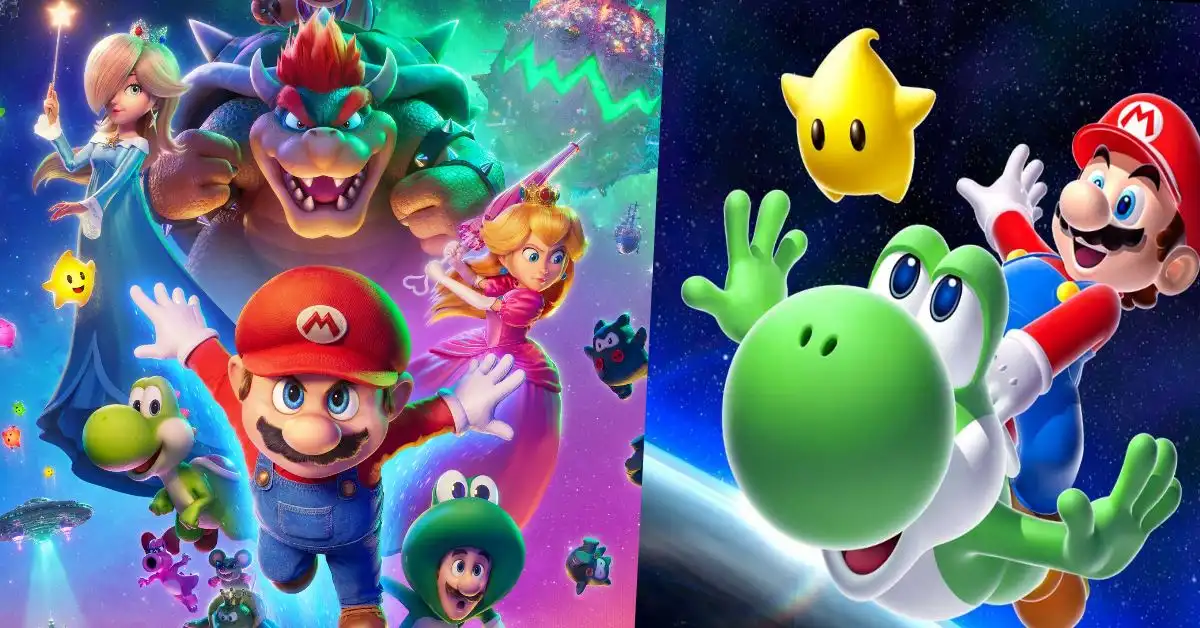
Why the High Production Budget of The Super Mario Galaxy Movie is Redefining the Universal-Nintendo Partnership
LOS ANGELES — The red carpet has barely been rolled up from the April 3rd premiere, but the industry is already buzzing about the sheer scale of Nintendo’s latest venture.
When the first Super Mario Bros. Movie hit theaters in 2023, it was a lean, mean, money-making machine.
It cost a relatively modest 100 million dollars and brought home a staggering 1.36 billion dollars. That is the kind of return on investment that makes studio heads at Universal jump for joy.
However, for the follow-up, The Super Mario Galaxy Movie, the checkbook stayed open much longer.
We are looking at a production budget that has nearly doubled, signaling a massive shift in how Nintendo and Illumination view their cinematic universe.
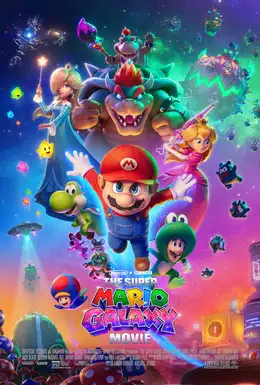
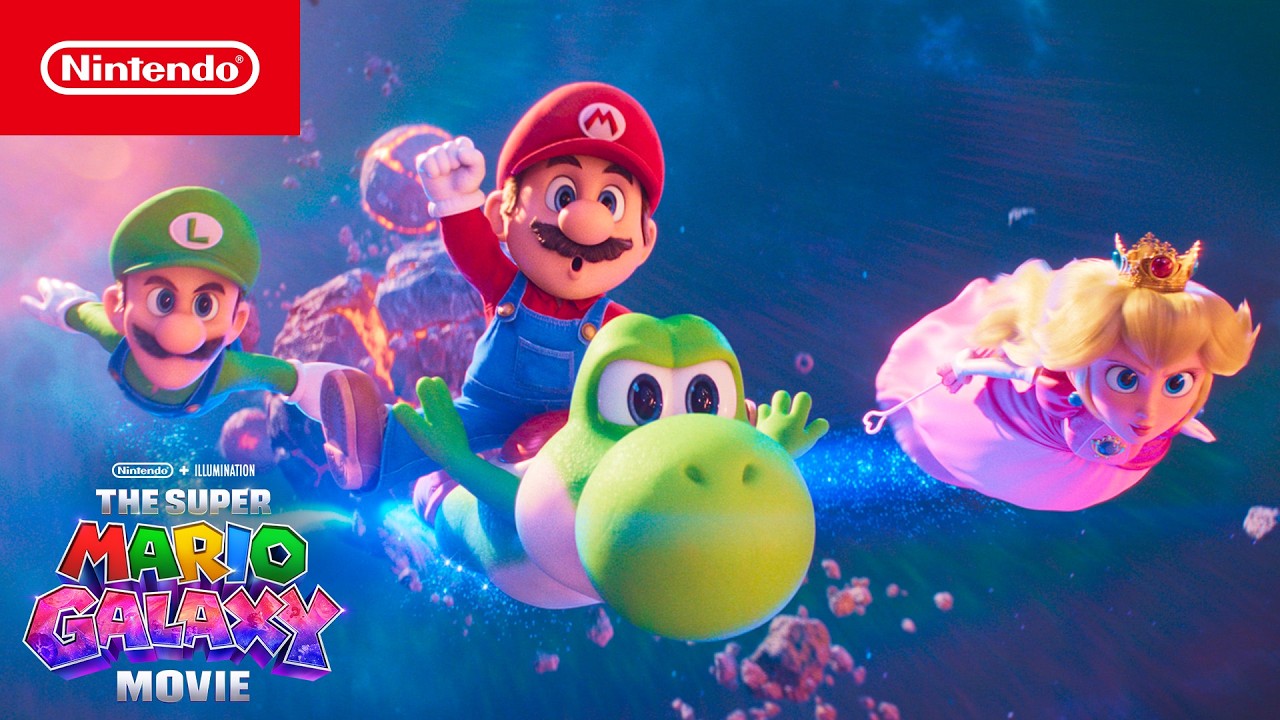
The New Gold Standard for Animation
Look, let’s be real for a second. In Hollywood, sequels almost always cost more. You have to go bigger, faster, and louder to keep the audience coming back. But moving from the Mushroom Kingdom to the vastness of space in The Super Mario Galaxy Movie required a level of technical wizardry that we haven’t seen from Illumination before.
The studio is famous for keeping its costs under the 100 million dollar mark, which is how they maintain such high profit margins. By breaking that ceiling, they are telling the market that Mario is no longer just another animated franchise.
It is now their crown jewel, competing directly with the 200-million-dollar spectacles produced by Disney and Pixar.
The financial logic here is simple but aggressive. Nintendo isn’t just selling movie tickets anymore.
They are building a multi-decade ecosystem where the movie feeds the theme parks, the merchandise, and the future games. If the movie looks cheap, the brand looks cheap.
So, they decided to spend.
The question on every analyst’s mind is whether a 200-million-dollar budget makes it harder to hit that same legendary ROI we saw three years ago. The stakes are higher, and the margin for error has shrunk.
Scaling Up for the Stars
When you move the action to outer space, the animation complexity goes through the roof.
According to Variety, the production budget for The Super Mario Galaxy Movie landed at approximately 185 million dollars. This figure does not even include the massive global marketing spend, which likely adds another 150 million dollars to the tab.
So, where did that 185 million go? A huge chunk was poured into the visual effects engine.
Rendering gravity-defying physics and thousands of tiny Lumas in high definition requires massive computing power and more man-hours than a standard ground-based adventure.
The Talent Tax: Star Salaries and Backend Points
Then we have to talk about the people behind the microphones. In 2023, Chris Pratt, Anya Taylor-Joy, and Jack Black were already stars, but they were taking a bit of a gamble on a video game adaptation.
Now? They are the voices of a billion-dollar brand.
Success creates leverage. For this sequel, the core cast likely negotiated significant raises. Industry insiders suggest that the top-tier talent likely moved from flat fees to “backend points.”
This means they get a percentage of the film’s total revenue, or “first-dollar gross,” once the movie hits certain milestones.
When you add new characters like Rosalina, voiced by a high-profile A-lister, the “talent tax” starts to eat up a significant portion of the budget.
It is estimated that nearly 40 million dollars of the production budget was tied up in cast salaries and talent-related costs alone.
The Global Marketing Blitz
You cannot release a movie this big without making sure every person on the planet knows about it.
Universal’s marketing machine is legendary, and for The Super Mario Galaxy Movie, they went into overdrive. From massive takeovers of the Sphere in Las Vegas to global partnerships with fast-food giants and clothing brands, the “P&A” (Prints and Advertising) spend is eye-watering.
This isn’t just about showing trailers. It is about creating an “event” feel. In the current “Streaming Wars,” theatrical releases need to feel like they are “must-see” moments to survive.
Nintendo and Universal are betting that by spending 150 million dollars on marketing, they can guarantee a global opening weekend that clears 300 million dollars. If they hit that, the high production budget becomes a footnote in a very successful story.
Why Nintendo is Playing a Long Game
We also need to consider the “Nintendo Factor.” Unlike other studios that live or die by the quarterly box office, Nintendo treats these movies as giant commercials for its entire company.
Every kid who watches Mario fly through a galaxy is a kid who will want the next Nintendo console or a trip to Super Nintendo World.
This is why they aren’t sweating a 185 million dollar price tag. They are using their “IP acquisition” and development strategy to lock in fans for the next twenty years.
It is a brilliant, albeit expensive, way to ensure the brand remains at the top of the pop-culture food chain. They are following the Marvel playbook, but with characters that have already been famous for forty years.
The Verdict
So, is the $185 million budget a smart move or a bloated mistake? In my professional opinion, it is a calculated masterstroke. By increasing the production value, they have moved Mario out of the “kids’ cartoon” category and into the “global blockbuster” tier.
The visual upgrades alone make this a film that demands to be seen on the biggest IMAX screen possible. This drives up the average ticket price and ensures the theatrical window remains profitable before the movie hits SVOD (Subscription Video on Demand) platforms.
I expect The Super Mario Galaxy Movie to cross the billion-dollar mark within its first twenty days of release.
Even with a 335 million dollar total investment (production plus marketing), the movie only needs to make about 700 million dollars globally to break even, considering the studio’s cut of the box office.
Everything after that is pure, sweet profit. This deal isn’t just a win for Nintendo; it is a blueprint for how to handle legacy IP in the 2020s.
Ganesh Mishra, Business Analyst
The specific details regarding the budget hike and the shift in talent contracts were first reported by Variety.
With the budget for Mario sequels now approaching 200 million dollars, do you think Nintendo will eventually move away from Illumination to try a live-action version of their characters, or is animation the only way to keep this ROI high?
Join BingeTake
Get Box Office Updates directly on WhatsApp from your personal Box Office Insider.
Related Posts





You May Have Missed

About the Author

Ganesh Mishra
Business Analyst
Hi, I'm Ganesh. I’ve spent the better part of my career obsessed with how the entertainment industry actually works behind the scenes, looking at the contracts, the streaming wars, and the massive deals that decide what you’ll be watching next Friday. I love breaking down complex business moves into simple stories, and I’m here to make sure you’re always the most informed person in the room when it comes to the business of entertainment.