
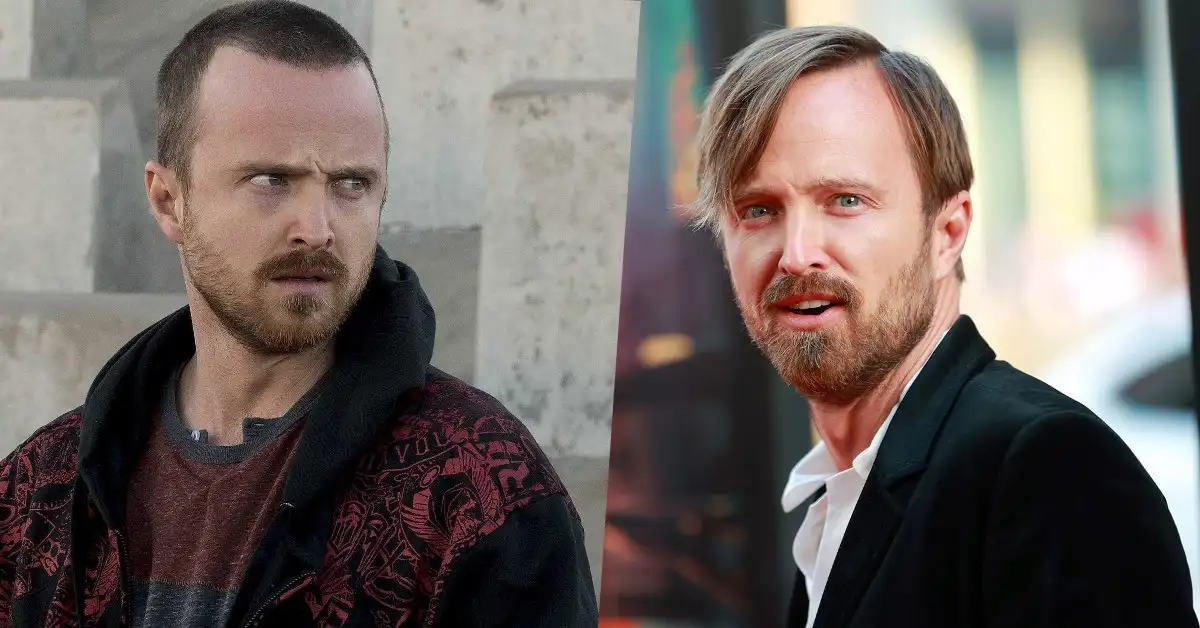
From Breaking Bad to the Big Screen: A Complete Analysis of Aaron Paul’s Lifetime Box Office Report Card
WASHINGTON, D.C. — The jump from prestige television to the silver screen is a brutal transition. You either hit the ground running or the industry swallows you whole.
When we talk about Aaron Paul’s cinematic footprint from 1980 to 2026, the conversation inevitably anchors itself to his defining turn as Jesse Pinkman. But what does his theatrical track record actually tell us?
For the exact cumulative worldwide gross of his entire filmography, the specific figure is not available.
However, a deep dive into the theatrical rollout, audience demographics, and trade trajectory of his major studio releases paints a fascinating picture. He is a phenomenal character actor who survived the chaotic waters of leading-man expectations.
The Analysis: From Albuquerque to the Multiplex
Let’s get one thing straight. Hollywood loves to capitalize on television momentum. When a prestige crime drama reaches its cultural zenith, studio executives rush to put the breakout star on the theatrical poster.
The strategy is clear. Leverage the massive, built-in television audience and convert them into opening weekend ticket buyers.
It is a classic studio playbook, but it is never a guaranteed win. The domestic gross for a television star’s first major vehicle often dictates their entire cinematic future.
Paul was thrown into high-octane action and biblical epics almost immediately. The studios expected an explosive multiple and massive holdovers.
Instead, what they got was a harsh lesson in audience conditioning. People did not just love Aaron Paul; they loved him as his specific television persona. Stripping away the gritty realism and dropping him into a sports car or a desert epic tested the absolute limits of his standalone draw.
The Reality Check: Are Audiences Buying It?
Here is the truth about the current audience mood. Moviegoers are ruthless. They can smell a manufactured blockbuster from a mile away.
When Paul stepped into the driver’s seat for big-budget adaptations, the audience reaction was wildly polarized.
Did the hardcore fanbase show up?
Partially.
But the CinemaScore and word-of-mouth indicators suggested a heavy disconnect between what the studio sold and what the ticket-buyers wanted. The audience’s mood skewed cautious.
Why?
Because the modern box office requires an undeniable hook.
A recognizable face is no longer enough to secure a massive per-theater average.
Is Aaron Paul a massive box office draw on his own, or is he the ultimate value-add supporting player? The evidence points aggressively toward the latter.
Think about the Friday night crowd.
When an average group of young adults walks up to the ticket counter, they are looking for a guaranteed good time. They are looking for spectacle, established IP, or undeniable star power.
Paul has the talent, but his brand is built on intense emotional realism. That does not always translate to a breezy Friday night popcorn flick.
Breaking Down the Eras
To understand Paul’s box office report card, we have to slice his career into distinct theatrical windows. Do not look for shattered records here. Look at the steady holds and the international rollouts.
The Action-Star Experiment
Major studios made a massive bet on him with Need for Speed. They wanted a high-speed franchise starter.
While the granular Friday-to-Sunday weekend numbers and daily grosses are not available, the overarching trade reality is undeniable. The domestic market showed a tepid response, delivering an average opener rather than a runaway hit.
Yet, the international rollout saved face.
Overseas markets, completely disconnected from the American TV prestige bias, embraced the fast cars and loud engines. It proved Paul could anchor a film that traveled well globally, even if the domestic multiple collapsed under the weight of critical reviews.
The Prestige and the Pivot
Then came the pivot. Films like Eye in the Sky represented a tactical shift.
Instead of chasing a wide, four-quadrant demographic, Paul leaned into mature, adult-skewing thrillers.
The theatrical run was defined by steady holds. This is where Paul shines.
When he is surrounded by heavyweights, the pressure of the opening weekend lifts. He becomes a vital piece of an ensemble, and the box office reflects a much healthier, organic multiple driven by strong word-of-mouth rather than front-loaded marketing.
The Comedy Value-Add
Let’s talk about his insertion into established comedy dynamics. When you look at a commercial hit like Central Intelligence, Paul was utilized as a narrative wild card. He was not tasked with carrying out the marketing campaign.
For Paul’s specific contribution to the weekend multipliers in these supporting roles, the exact metric isolation is not available. However, his presence in a massive commercial hit reminds studio executives of his versatility.
The demographic for this film was broad, hitting the 18-34 male and female quadrants perfectly. By attaching himself to a proven box office juggernaut, Paul kept his theatrical visibility high without shouldering the financial risk of a flop. It is a brilliant, calculated trade move.
The Streaming Hybrid
We cannot discuss his report card without acknowledging El Camino. The theatrical window was an anomaly. It was a limited event release designed to generate hype for a streaming platform. The traditional box office metrics do not apply here. However, the event-level excitement proved that when Paul plays the hits, the audience will follow him anywhere.
The Forward-Looking Projection
Look, let’s cut through the noise.
Aaron Paul is never going to be the guy who opens a massive original IP on his name alone. And that is perfectly fine.
The industry does not need him to be the next traditional action star. His lifetime domestic collection as a solo leading man might not set the trade boards on fire, but his value as a supporting anchor is bulletproof.
Moving forward into late 2026 and beyond, expect Paul to dominate the mid-budget thriller space and high-end streaming hybrids.
The theatrical run of his future projects will likely rely on strong ensemble casts and critical acclaim rather than brute-force marketing. He survived the Hollywood machine trying to mold him into a generic action hero, and he came out the other side as a respected, versatile talent. That is a massive win for his longevity.
Nitesh Mishra, Box Office Analyst
When a television actor transitions to film, do you think they are unfairly judged by the shadow of their most famous character, or should a true box office draw be able to sell tickets regardless of their past TV roles? Let’s debate the trade logic in the comments below!
Join BingeTake
Get Box Office Updates directly on WhatsApp from your personal Box Office Insider.
Related Posts





You May Have Missed
About the Author

Nitesh Mishra
Box Office Analyst
As a Movie buff with years of experience in film blogging, writing and box office analysis, I specialise in delivering accurate box office insights and movie updates. [X, Instagram, Reddit, Threds]