
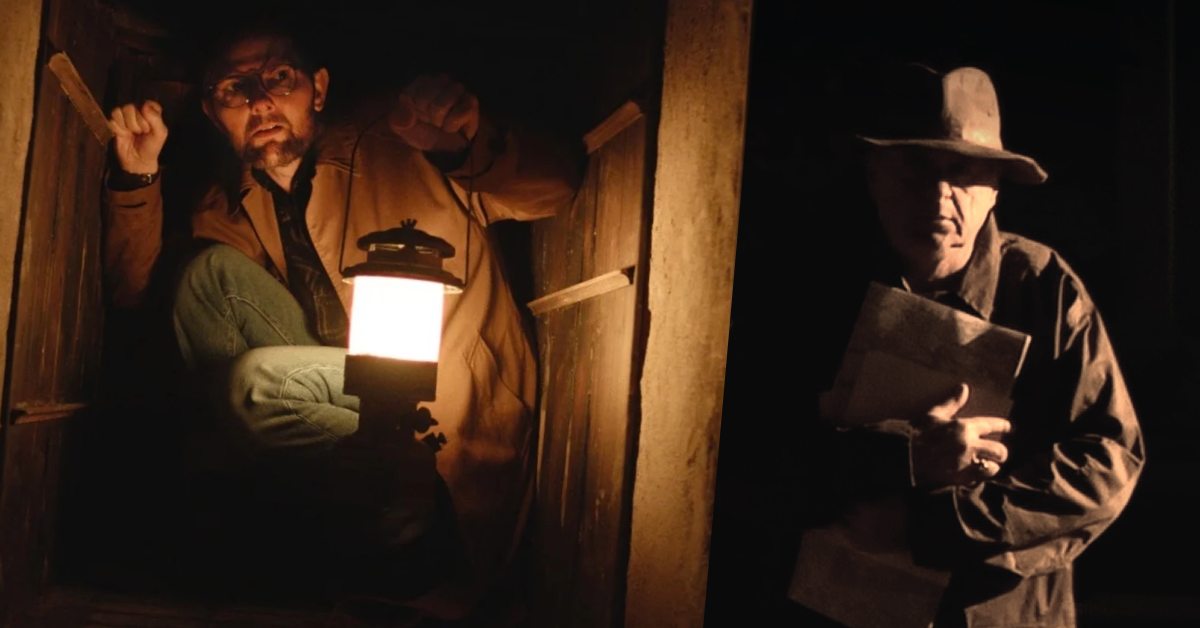
Hokum 2026 Detailed Financial Breakdown: Production Budgets, P&A, and Profit Thresholds for Neon’s Haunted Inn Pic
HOLLYWOOD — While the industry is still reeling from the massive, record-breaking tremors of the Michael biopic, a leaner, meaner contender just stepped onto the theatrical stage.
Today, May 1, 2026, marks the release of Hokum, Neon’s big bet on elevated horror starring Adam Scott. Forget the glitz of musical legends; we are talking about a horror writer in a haunted Irish inn, and more importantly, we are talking about a clinical exercise in ROI.
Neon is positioning this as their summer-starter, hoping that a moderate investment in Damian McCarthy’s latest nightmare can outrun its shadow in a crowded theatrical window.
The Broader Market Context: Horror as a Strategic Anchor
In the current climate of the “Streaming Wars,” horror remains the ultimate equalizer for mid-sized distributors like Neon.
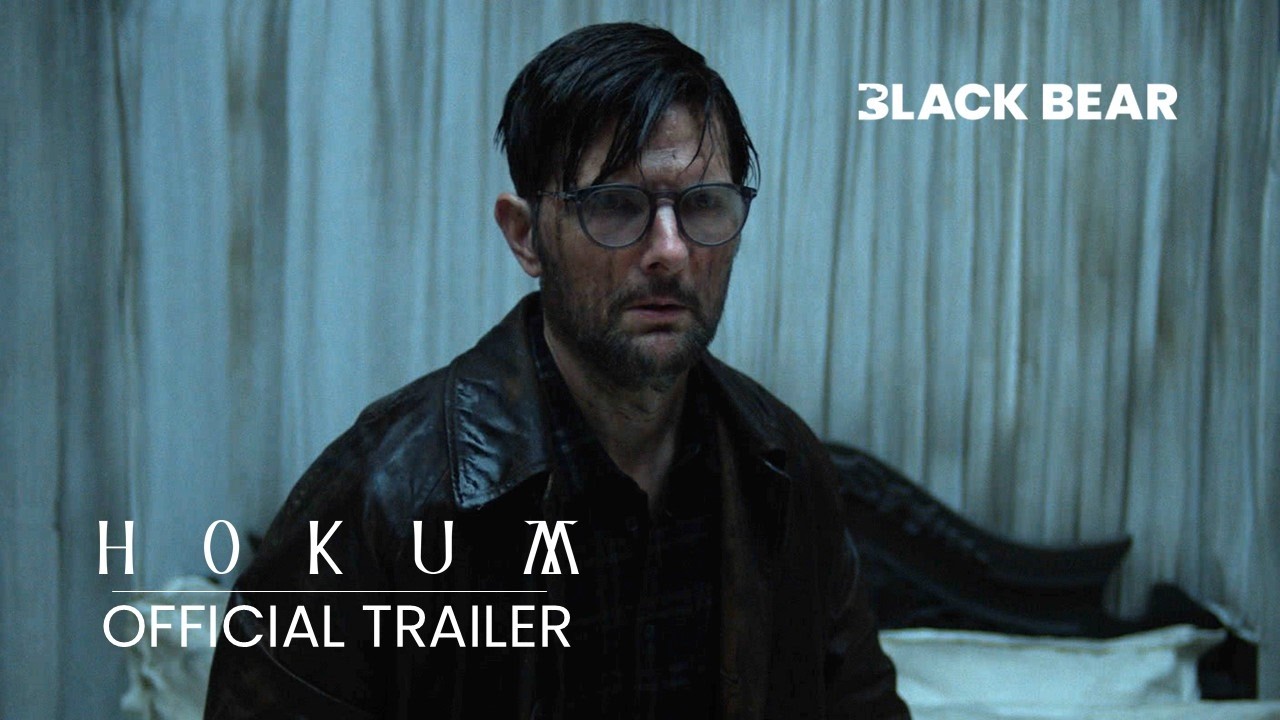
While the average studio movie budget in 2026 has climbed to approximately $65 million, Hokum exists in that sweet spot of “Elevated Horror” that avoids the bloated costs of mega-franchise spectacles. For a studio like Neon, this IP acquisition is less about world-building and more about dominating the SVOD pipeline later this year.
A film like Hokum acts as a high-margin asset. By keeping production costs tight and leaning into the pedigree of a “Severance” star and the producing muscle of Roy Lee—the man behind Barbarian—Neon is looking to replicate the high-efficiency model that horror fans crave.
The strategic impact here is clear: if Hokum hits its thresholds, it gives Neon the liquidity to bid on the next major festival darling while Adam Scott’s asking price for his next genre flick likely doubles.
The current market mood suggests that audiences are hungry for original, non-franchise stories, but there is a catch. The “Dopamine Gap” is real; if a trailer promises The Shining vibes but the script delivers a generic escape room, word-of-mouth will kill the ROI before the second weekend.
Everyone is asking if Damian McCarthy can scale his niche success into a broad commercial hit.
The contrarian view?
Horror might be the only genre where “too much at the wall” is actually a selling point for the core demographic.
Breaking Down Hokum Budget and P&A
To get to the heart of the Hokum break-even point, we have to look at the 2026 benchmarks. While a full studio feature can hit 70 shoot days, Hokum likely wrapped in the 25-to-40-day range typical for low-to-mid-budget genre pieces.
- Production Budget: While official figures are under lock and key, industry standards for a Roy Lee-produced Neon horror lead me to estimate a production budget in the $10 million to $12 million range. This covers Adam Scott’s salary—likely mid-seven figures with backend points—plus the Irish locations and the union crew rates, which are higher in 2026 than ever before.
- P&A (Prints and Advertising): In 2026, marketing is where first-time budgets go to die. For a wide release on May 1, expect Neon to have sunk at least another $10 million into P&A. This includes the massive digital push, trailers that have been saturating YouTube, and the theatrical window infrastructure needed for a global rollout.
- The Total “In the Red” Number: We are looking at a total project cost of roughly $20 million to $22 million before the first ticket was even scanned this morning.
According to The Playlist, the connective tissue between Hokum and modern horror hits like Barbarian is a deliberate branding move to signal quality to the “severance” fanbase.
IGN noted that the film is hitting theaters today as a “part haunted house, part trauma horror” play, which usually attracts a high-engagement audience in the first 72 hours.
Hokum Profit Thresholds and Ticket Assumptions
Here is where the Hollywood math gets spicy. To break even, a film typically needs to earn roughly 2.5 times its production budget to cover the theater owners’ cut and the P&A spend. For Hokum, the “Magic Number” is approximately $30 million.
If we assume an average 2026 ticket price of $15.50 in North America, Hokum needs roughly 1.93 million admissions globally to move into the black.
Given that musical biopics like Michael are currently vacuuming up the IMAX and premium large-format screens, Hokum will rely on high-volume standard screenings.
If the film can open at $8 million to $10 million this weekend, it is on a healthy trajectory toward profitability, especially when you factor in the inevitable syndication rights and streaming buyouts that will happen in Q4 of 2026.
BingeTake Verdict
Is Hokum a smart play for Neon? You bet.
By capping the budget and focusing on “Vibes-based” marketing, they have created a low-risk, high-reward scenario. In a year where big biopics are the headlines, Hokum is the quiet earner in the corner.
My forecast: the film will cross its $30 million break-even point by the end of its third weekend, fueled by a 10-15% “contingency” of horror fans who show up for anything with Adam Scott’s name on it.
This film is a solid double for Neon and a great career pivot for Damian McCarthy.
Ganesh Mishra, Business Analyst
With streamers like Netflix and Prime Video increasingly hungry for “Ready-made” horror, should Neon have skipped the theatrical window entirely to secure a higher upfront SVOD buyout, or is the $30 million theatrical goal too easy to pass up?
Join BingeTake
Get Box Office Updates directly on WhatsApp from your personal Box Office Insider.
Related Posts





You May Have Missed

About the Author

Ganesh Mishra
Business Analyst
Hi, I'm Ganesh. I’ve spent the better part of my career obsessed with how the entertainment industry actually works behind the scenes, looking at the contracts, the streaming wars, and the massive deals that decide what you’ll be watching next Friday. I love breaking down complex business moves into simple stories, and I’m here to make sure you’re always the most informed person in the room when it comes to the business of entertainment.