
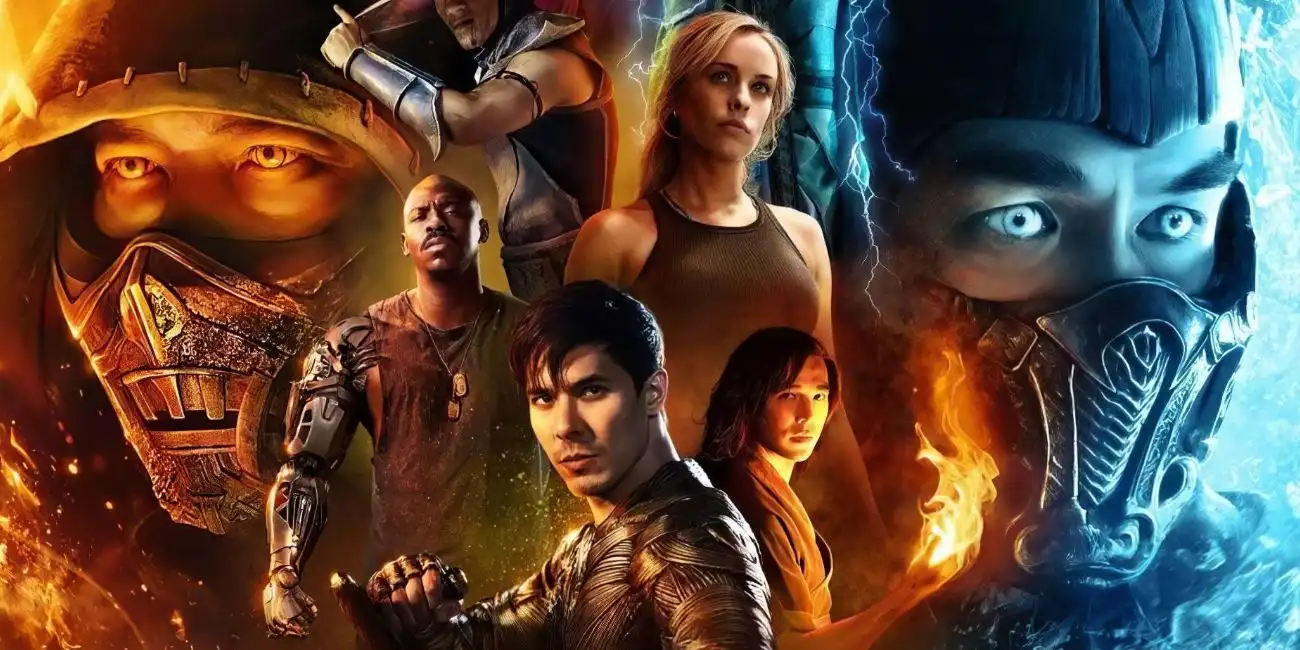
HOLLYWOOD — The tournament is moving from the living room back to the multiplex, and the price of entry just tripled. Warner Bros. Discovery and New Line Cinema are no longer playing in the mid-budget sandbox with the Mortal Kombat IP.
After the 2021 reboot served as a vital lighthouse for the then-fledgling HBO Max during the pandemic, the suit-and-tie crowd in Burbank realized they had a dormant goldmine on their hands. But as any seasoned dealmaker will tell you, a bigger shovel costs a lot more money.
The financial pivot for Mortal Kombat II represents a massive shift in how studios view R-rated gaming adaptations in a post-post-pandemic market.
We aren’t looking at the scrappy $55 million production budget of the first film anymore. The sequel has ballooned into a high-stakes, $150 million theatrical play.
This isn’t just about more blood and better fatalities; it is about securing a dominant theatrical window and proving that this franchise can compete with the nine-figure spectacles of the MCU or Fast & Furious.
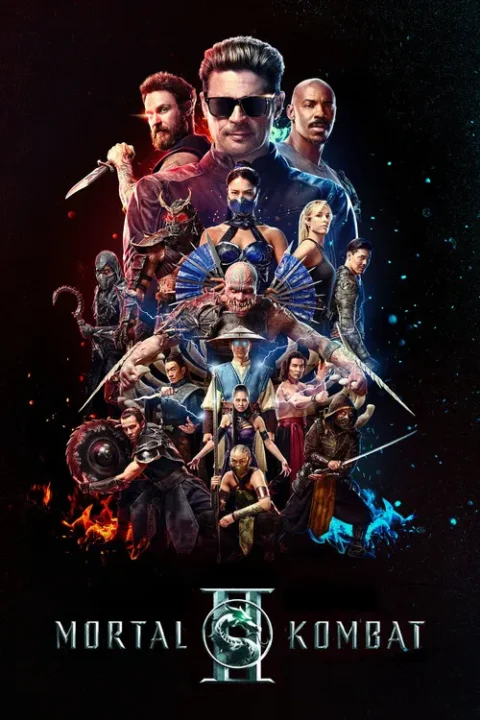
Mortal Kombat IIDay 46
Inflation Adjuster
Slide to see what Mortal Kombat II would earn if released in 2026.
The Financial Reality of the Outworld Expansion
Is a $150 million price tag for a martial arts sequel a stroke of genius or a fiscal fatality in the making? The industry logic here is aggressive. The first film was a massive hit on SVOD, becoming one of the most-watched titles in the history of the Max platform.
However, streaming views don’t pay the bills the same way a $400 million global box office haul does. To get those theatrical numbers, you need a level of spectacle that $55 million simply cannot buy.
The jump in budget is largely attributed to three main pillars: elevated cast salaries, an exponential increase in VFX overhead for locations like Edenia and Outworld, and the logistical costs of a massive Queensland, Australia production.
While the first film felt grounded—mostly taking place in rural Earthrealm hideouts—the sequel is leaning heavily into the high-fantasy elements of the Mortal Kombat lore. That means every frame is packed with expensive digital assets, a far cry from the practical desert locations of its predecessor.
Breaking Down the Above-the-Line Costs
According to trade reports from Variety and Deadline, the above-the-line costs—that is, the money going to the director, producers, and lead actors—saw the most significant percentage increase.
Director Simon McQuoid, who successfully navigated the first film through a global health crisis, reportedly saw his quote jump from a modest low-seven-figure deal to a $5 million package for the sequel.
This is standard Hollywood math: you deliver a hit on a budget, and the studio pays up to keep the creative engine running for the follow-up.
Then we have the Karl Urban factor. Bringing in Urban to play Johnny Cage was the ultimate IP acquisition move.
Urban isn’t just an actor; he is a cult-favorite brand with a massive following from The Boys.
Trade insiders suggest Urban’s salary package is in the $8 million range, likely including backend points that could see him earn much more if the film crosses the $300 million mark worldwide. He is the “A-list” anchor the first film lacked, providing the marketing department with a recognizable face to put on the posters alongside the masked ninjas.
The Returning Cast and Crew Payday
The returning stars also saw their leverage peak during negotiations. Lewis Tan, who carries the central role of Cole Young, and Jessica McNamee (Sonya Blade) likely moved from mid-six-figure salaries to the low-seven-figure territory.
Josh Lawson, whose portrayal of Kano was a breakout highlight of the first film, reportedly secured a significant bump to return in whatever capacity the script allows.
Warner Bros. Discovery is also footing a much larger bill for the ensemble cast. With the introduction of characters like Shao Kahn (Martyn Ford), Kitana (Adeline Rudolph), and Jade (Tati Gabrielle), the talent pool expenses added another $15 million to $20 million to the ledger.
This doesn’t even account for the stunt teams. Mortal Kombat II requires world-class martial arts choreography, and the production reportedly tripled its stunt budget to ensure the fight sequences felt more like a $100 million blockbuster and less like a televised tournament.
Australia and the Tax Incentive Game
The decision to film in Queensland, Australia, was a strategic move to soften the blow of this $150 million budget.
The Australian government offers some of the most lucrative tax rebates in the world, often covering up to 40% of local expenditure. By spending roughly $100 million of their production budget within the country, New Line Cinema potentially clawed back nearly $30 million to $40 million in incentives.
This is where the financial logic gets interesting. On paper, the budget is $150 million, but the net spend—thanks to those rebates—is closer to $110 million.
That makes the ROI (Return on Investment) calculation much more palatable for the board of directors. If the film can generate $350 million at the global box office, it becomes a profitable venture before it even hits the SVOD and syndication markets.
VFX: The Hidden Budget Killer
The real “silent killer” of the budget is the VFX pipeline. The 2021 film was criticized by some fans for its limited scope.
For the sequel, the production moved to a “Volume” style setup similar to The Mandalorian, allowing for more immersive digital environments.
Rendering characters like Goro (who hopefully gets more screen time) and the supernatural powers of the Edenian royalty requires thousands of man-hours from top-tier VFX houses. We are talking about an estimated $40 million to $50 million purely for post-production digital effects.
The BingeTake Verdict
Look, the math here is a gamble, but it is a calculated one. Mortal Kombat II is being positioned as a tentpole, not a niche genre flick. By spending the money on Karl Urban and high-end VFX, Warner Bros. Discovery is signaling that they believe this IP can live alongside Godzilla vs. Kong or Dune.
If the film captures even a fraction of the Mortal Kombat 1 video game sales energy, the theatrical window will be a massive win.
Is it a good deal? Yes.
The brand recognition is at an all-time high, and the first film’s success on streaming proves there is a hungry audience.
The only risk is if the R-rating limits the box office ceiling too much, but in a post-Deadpool world, that fear is mostly antiquated. Expect this to be the film that finally cements Mortal Kombat as a multi-generational cinematic staple.
Ganesh Mishra, Business Analyst
Do you think Karl Urban’s $8 million price tag is a smart investment for the franchise, or should the studio have spent that money on more practical creature effects for the fighters?
Join BingeTake
Get Box Office Updates directly on WhatsApp from your personal Box Office Insider.
Related Posts




You May Have Missed
About the Author

Ganesh Mishra
Business Analyst
Hi, I'm Ganesh. I’ve spent the better part of my career obsessed with how the entertainment industry actually works behind the scenes, looking at the contracts, the streaming wars, and the massive deals that decide what you’ll be watching next Friday. I love breaking down complex business moves into simple stories, and I’m here to make sure you’re always the most informed person in the room when it comes to the business of entertainment.