Project Hail Mary Budget Reveal: Is Ryan Gosling’s $25M Check a Risk?
breaking down the $248M budget of Project Hail Mary. Discover Ryan Gosling’s salary, VFX costs, and why Amazon MGM’s big gamble is paying off

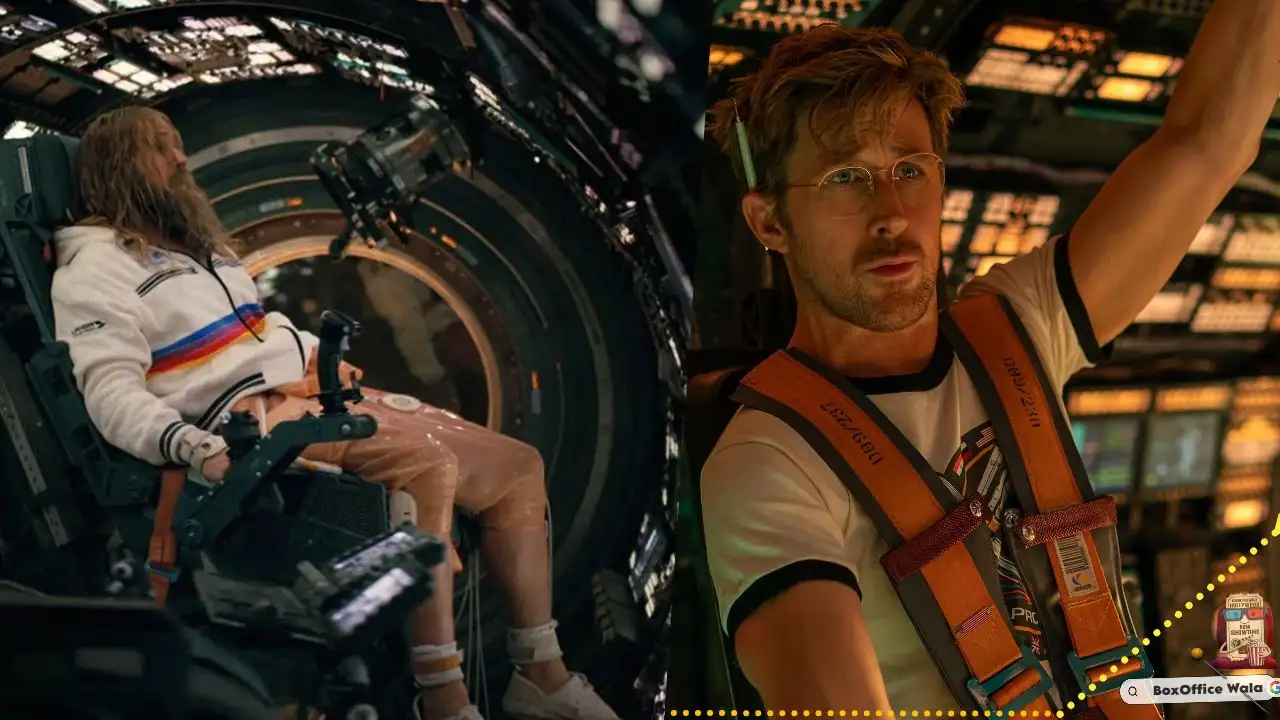
How Ryan Gosling and Lord & Miller Built a $248M Sci-Fi Giant for Amazon MGM
HOLLYWOOD — Amazon MGM is finally playing the heavy-hitters game, and the bill just arrived.
If you have been following the trades this month, you know that Project Hail Mary is not just a movie. It is a massive $248 million financial statement. After years of being teased as the next great space epic, the adaptation of Andy Weir’s best-seller hit theaters on March 20, 2026, with a price tag that would make even NASA sweat.
As a dealmaker, I look at this budget and see more than just flashy space effects.
This is Amazon’s biggest theatrical gamble since it swallowed MGM. They did not just want a streaming hit for Prime Video; they wanted a global box office monster that could stand next to Interstellar and Dune. To get there, they had to open the vault. The math here is simple: if you want the guys who made Spider-Man: Into the Spider-Verse to direct and the world’s most charming actor to lead, you are starting the conversation at nine figures.
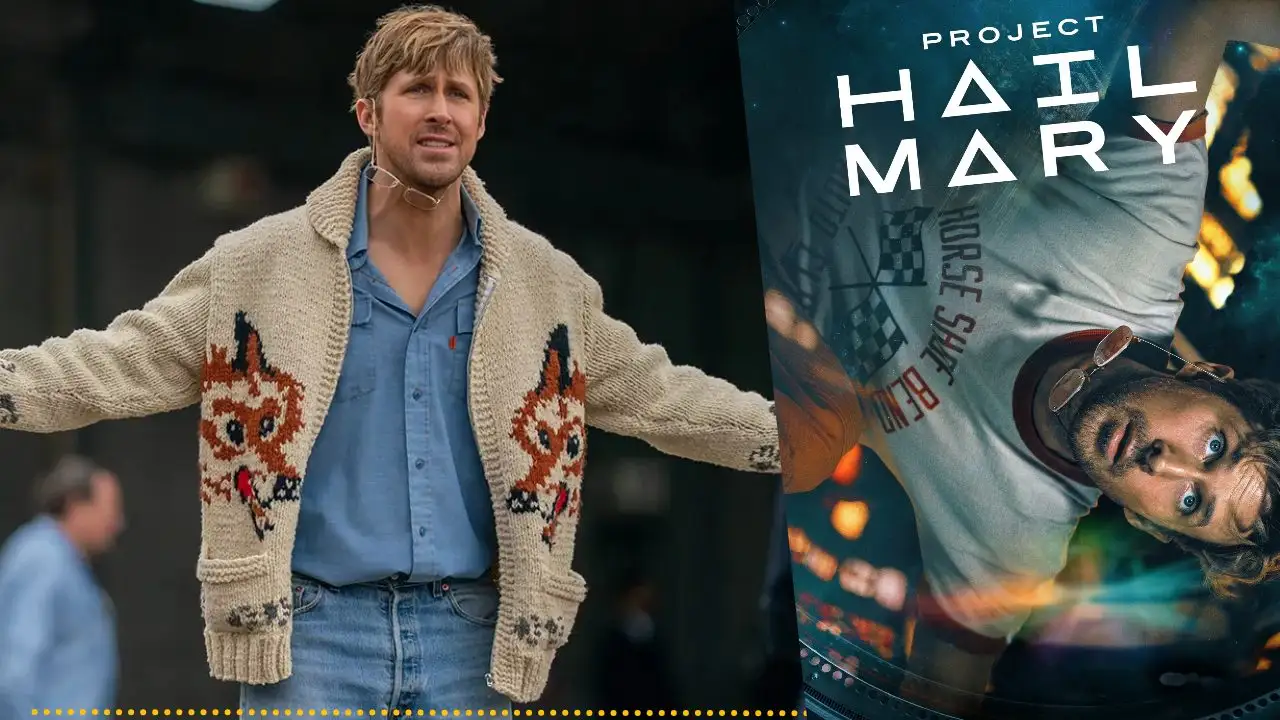
Science fiction is currently the most expensive flavor of prestige in Hollywood.
Following the massive success of the Dune sequels, every studio is hunting for smart, high-concept IP that justifies a premium large-format ticket. But Project Hail Mary is a unique beast.
It is essentially a one-man show for a large chunk of the runtime. Paying nearly $250 million for a film where one actor talks to a spider-like alien for two hours is a move that either makes you a genius or puts you in the unemployment line.
The Big Check for Ryland Grace
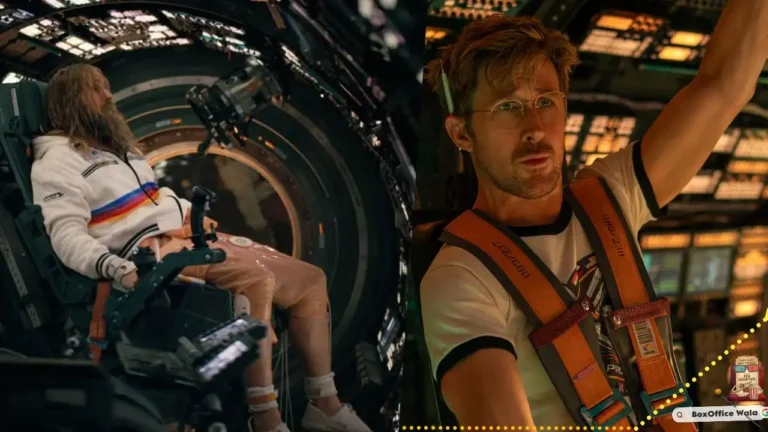
The most obvious slice of this $248 million pie went straight to Ryan Gosling.
According to Variety, Gosling took home an upfront salary of $25 million to play Ryland Grace. But that is only half the story. As a producer on the film through his General Admission banner, Gosling likely negotiated significant backend points.
In the current market, a star of his caliber does not just show up for a flat fee on a tentpole this big. He is betting on himself, and with a $425 million global haul in just three weeks, those first-dollar gross points are going to turn into a very tidy retirement fund.
Then you have the directors, Phil Lord and Christopher Miller. This duo is known for taking impossible ideas and turning them into gold.
Sources close to the production at Deadline reported that their fee was in the $15 million range, not including their own piece of the backend. They are among the few directors left who can command “A-list actor” money because their brand is so consistent.
When you hire Lord and Miller, you are paying for the insurance that the movie will actually be fun, which is a rare commodity in grim-dark sci-fi.
Engineering an Alien on a Budget
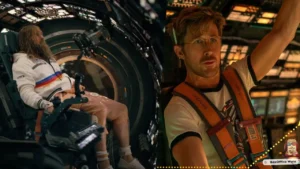
While the salaries are eye-popping, the real drain on the Amazon MGM bank account was the visual effects. Building Rocky, the five-legged alien from Eridani, required a blend of high-end practical puppetry and cutting-edge CGI that had to look photo-realistic.
You cannot have a character that the audience needs to love if it looks like a video game. Industry insiders estimate that the VFX budget alone crossed the $80 million mark.
This was essential to ensure the chemistry between a human and a non-humanoid alien felt genuine.
The supporting cast also added a significant layer to the overhead. Sandra Hüller, coming off her massive Oscar run, was brought in to play Eva Stratt.
While she does not command Gosling-level checks yet, a talent like hers in a major studio project usually lands in the $5 million to $7 million bracket.
When you add in the screenplay by Drew Goddard, who previously wrote The Martian, you are looking at another $3 million to $5 million for the script alone.
Goddard is the gold standard for science-heavy adaptations, and Amazon was not going to pinch pennies on the foundation of the movie.
So, is the $248 million spent well?
From my perspective as an analyst, the answer is a resounding yes. The movie has already cleared $425 million at the box office. With a theatrical window that is still going strong and a Lego Icons spacecraft set flying off the shelves, Amazon MGM is looking at a genuine hit.
They have proven that they can handle high-level production infrastructure and compete with the legacy majors. By the time this hits SVOD on Prime Video, the ROI will be through the roof.
They avoided the generic streaming trap by making this feel like a theatrical event first.
They did not settle for a mid-budget sci-fi look. They went for the throat with top-tier talent and expensive visuals. This deal sets a new ceiling for what Amazon is willing to pay for “Single-IP” movies that are not part of a pre-existing cinematic universe.
It is a win for Gosling, a win for the directors, and a massive relief for the suits in Seattle.
Ganesh Mishra, Business Analyst
Join BingeTake
Get Box Office Updates directly on WhatsApp from your personal Box Office Insider.