Is Project Hail Mary the Most Expensive Math Problem in Movie History?
Ryan Gosling’s $30M upfront fee and a $248M gross budget: Is Project Hail Mary a financial masterpiece or a risky gamble for Amazon MGM?

Inside the $200 Million Project Hail Mary Gamble: Ryan Gosling’s $30M Payday and the Theatrical “Halo Effect” Explained
HOLLYWOOD — The high-stakes gamble on Project Hail Mary has officially moved from the ledger to the history books, and the numbers are staggering.
Amazon MGM Studios didn’t just throw money at a space movie; they funded a $248 million scientific experiment designed to save their theatrical reputation. This wasn’t a “straight-to-streaming” safety net project. This was a full-scale assault on the global box office.
In the first paragraph of any big production’s story, you usually see the star’s name first. But here, the real story is the budget. The gross production costs hit $248 million before tax incentives from the U.K. and other regions shaved that figure down to a net $200 million.
This places the film in the elite “super-tentpole” category. For Amazon, which recently weathered some mediocre debuts with Mercy and Crime 101, this was their true “Hail Mary” pass to prove they could play in the same league as Universal or Disney.
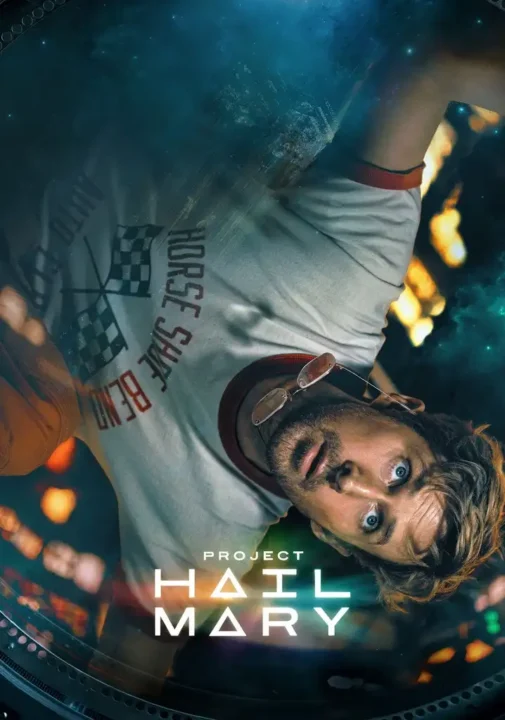
The Gosling Premium and the Math of Stardom
When you hire Ryan Gosling to play a lone astronaut tasked with saving humanity, you aren’t just paying for his acting. You are paying for the “Ken-ergetic” momentum he’s carried since Barbie.
For Project Hail Mary, Gosling reportedly secured a massive $30 million upfront fee. This is a significant jump from his $12.5 million Barbie paycheck and even eclipses his $20 million fee for The Gray Man.
But the real money for Gosling lies in the backend. My sources and multiple industry reports indicate he’s sitting on a profit-sharing deal worth between 10% to 15% of the net profits.
Given that the film has already crossed $436 million worldwide as of April 9, 2026, Gosling’s final take-home could easily soar past $50 million. This is what we call “first-dollar gross” territory for A-list royalty.
The strategy here is clear. Amazon wanted a face that could carry a movie single-handedly for the first two acts.
In a market where audiences are increasingly tired of recycled franchises, Gosling’s star power acted as the ultimate “Pattern Interruption.” This is a psychological trick I often talk about—breaking the viewer’s expectation of a boring space procedural by injecting a relatable, high-value personality into the vacuum of space.
Where Every Dollar of the $200 Million Went
If you’re wondering how a movie about one guy in a tin can costs $200 million, you haven’t seen the VFX line items.
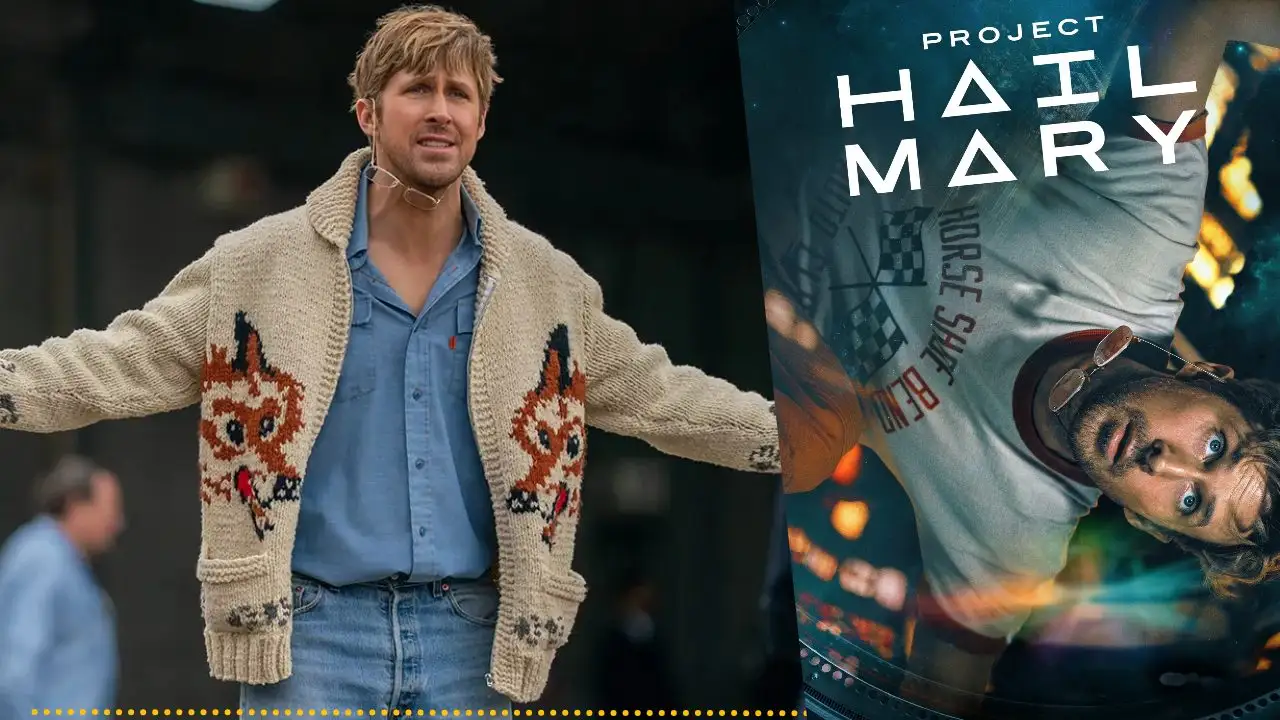
Unlike The Martian, which dealt with human survival on a dusty planet, Project Hail Mary involves complex zero-gravity sequences and, more importantly, “Rocky”—the spider-like alien made of heavy metal and ammonia.
Directors Phil Lord and Christopher Miller are notorious perfectionists who came up through animation. They aren’t the “that’s a wrap” type of guys. They are the “what if we tried this ten more times” type of guys.
Reports suggest they were spending roughly $1.5 million per minute during production to ensure every frame was scientifically and visually impeccable.
The Cost of Scientific Accuracy
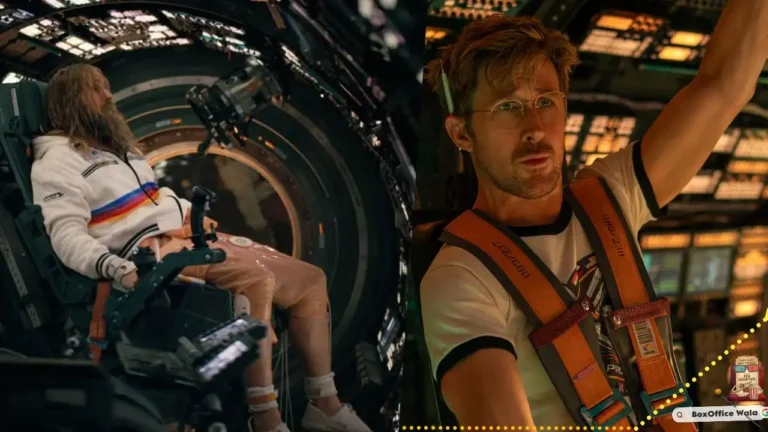
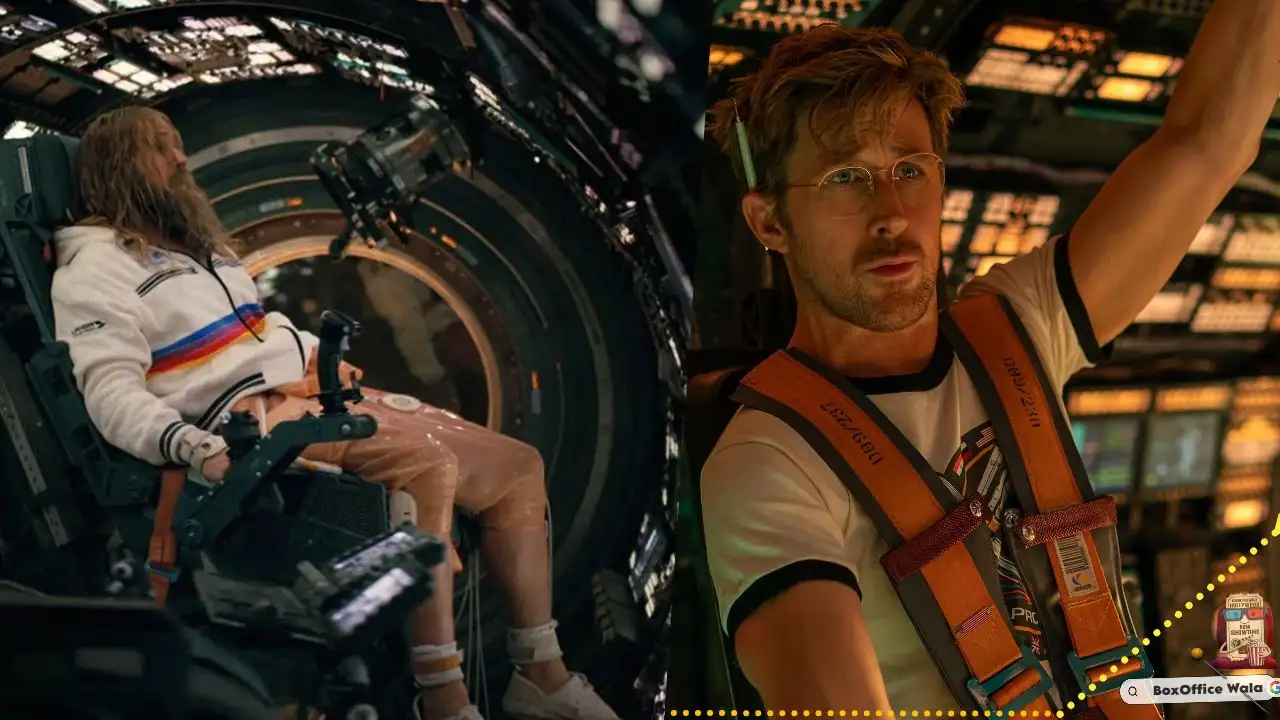
The budget also reflects a fanatical attention to detail. Every piece of equipment in Ryland Grace’s ship had to feel like the “guts of a machine.” This required physical sets that could rotate and simulate low-gravity movement, combined with high-end CGI to bring Rocky to life in a way that didn’t feel like a cheap puppet.
The goal was to create a “Dopamine Gap”—the space between what the audience expects from a sci-fi movie and the hyper-realistic reality they see on the IMAX screen.
The Theatrical Halo Effect
Amazon MGM is playing a different game than the traditional studios.
While Variety and other trade outlets estimate the break-even point is around $500 million, Amazon views the theatrical run as a marketing funnel.
A successful $600 million global theatrical run creates a “halo effect” that drives Prime Video subscriptions for years. They aren’t just selling tickets; they are building IP equity.
The BingeTake Verdict on the Amazon Gamble
Listen, the math is finally matching for the streaming giants. For years, we watched Netflix and Amazon dump $200 million into movies that disappeared from the cultural conversation in three days.
Project Hail Mary changed that script. By choosing a high-quality IP from Andy Weir and pairing it with the perfectionism of Lord and Miller, they created a theatrical event that justified its price tag.
This wasn’t just a movie; it was a business pivot. Amazon proved they can handle a “theatrical-first” slate. The $80.6 million domestic opening was the biggest in the company’s history, proving that if you build a better space-trap, the world will beat a path to the cinema.
Do you think a $30 million upfront salary for an actor is still a sustainable business model in 2026, or should everyone be moving toward 100% backend-only deals?
Join BingeTake
Get Box Office Updates directly on WhatsApp from your personal Box Office Insider.