
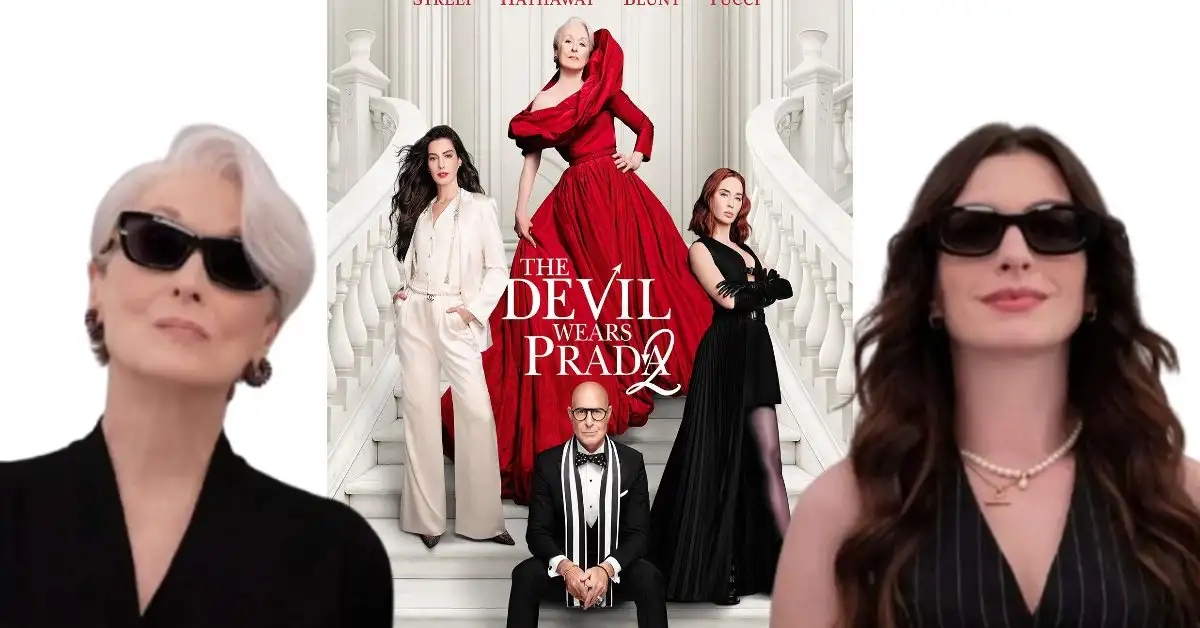
Everything You Need to Know About The Devil Wears Prada 2 Plot, Themes, and Cast Updates for 2026
LOS ANGELES — Gird your loins, pop culture junkies. The Devil Wears Prada 2 is officially hitting US theaters on May 1, 2026, and the fashion landscape it is stomping into is completely unrecognizable.
We aren’t just getting a fluffy legacy sequel stuffed with recycled catchphrases. We are getting a brutal, bracingly honest autopsy of modern media. Print is dying. Fast fashion is toxic. Miranda Priestly is bleeding out in the boardroom.
The stakes have never been higher for 20th Century Studios.
Reviving a 2006 cinematic titan is inherently risky business, especially when the original film practically invented the modern workplace dramedy and locked down a permanent spot in the pop culture canon. But director David Frankel and screenwriter Aline Brosh McKenna didn’t just smash the nostalgia button to secure a quick opening weekend gross.
They took a massive, calculated swing. They built a 2026 sequel that aggressively reflects the shrinking newsrooms, shifting power dynamics, and the terrifying reign of corporate advertising dollars. This isn’t just about pretty clothes anymore. It is about industry survival.
Here is the brutal truth.
Most of Stan Twitter just wanted a campy, highly memeable romp where Emily Blunt throws cheese cubes at people. But the studio delivered a narrative that feels suspiciously like an existential crisis wrapped in a vintage Dries Van Noten jacket.
Are everyday moviegoers actually prepared for a legacy comedy that forces them to face the depressing reality of modern journalism?
A Darker, Meaner, Media-Obsessed Tone
Do not expect a lighthearted breeze through the halls of Elias-Clarke. The tone of this follow-up is noticeably darker, carrying a feathery fringe of existential angst that might catch casual fans completely off guard. It hits fast. It hits hard.
Seconds before Andy Sachs (Anne Hathaway) wins an award for her hard-hitting journalism, she and her entire newsroom are unceremoniously fired via text message. Welcome to the digital age.
According to a recent review from Time, the sequel is actually fiercely protective of fashion, mourning a world that now cares more about chasing a quick, viral thrill than pursuing genuine beauty. The original movie mocked the ridiculousness of the fashion industry.
This new chapter defends it. Runway magazine is tanking. The publication recently ran a glowing profile on a fast-fashion conglomerate called Speed Fash—which turns out to be a massive sweatshop scandal—and Miranda (Meryl Streep) is desperately trying to stop the bleeding.
The script does not pull any punches when addressing the current landscape.
We are living in a doomscroll era where teenage influencers hold more sway than veteran editors with decades of experience. The movie tackles this head-on. It operates as a fascinating commentary on the fight to preserve journalistic integrity while the walls of traditional print media collapse around these legacy characters.
The Power Flip: Emily Holds the Purse Strings
If you want to talk about a brilliant windowing strategy for character arcs, look no further than Emily Charlton (Emily Blunt). She isn’t fetching lattes or starving herself for Paris anymore. She is a high-level executive at a massive luxury group. Emily holds the advertising dollars. Emily holds the power.
This flips the entire dynamic of the original film on its head. Miranda Priestly is no longer the untouchable dragon lady ruling from an ivory tower. She is a dinosaur trying to survive the meteor, forced to compromise and rely on the very people she used to terrify.
Meryl Streep reportedly abandoned her famous method acting for this shoot, opting for a warmer, more collaborative set environment to reflect Miranda’s forced evolution behind the scenes. She needs her team now.
Who Actually Survives the Sequel? (And Who Should Watch)
If you are expecting Adrian Grenier to show up and whine about Andy missing his birthday, you can officially breathe a sigh of relief. Nate is out. Simon Baker’s Christian Thompson is also out. Andy’s new 2026 love interest is played by Patrick Brammall, grounding the romantic subplot in a much different, more mature reality.
We also get Kenneth Branagh stepping in as Miranda’s husband, alongside heavy hitters like B.J. Novak and a cameo from Lady Gaga, who also absolutely dominates the soundtrack with tracks like Shape of a Woman.
Visually, the aesthetic has shifted alongside the narrative. With costume designer Molly Rogers taking the reins from the legendary Patricia Field, the outfits are sharper, smarter, and significantly less cartoonish. They fit the somber, high-stakes boardroom battles perfectly.
You need to watch this if you care about the shifting tides of consumer media.
If you have ever felt the soul-crushing weight of corporate layoffs, or if you simply want to see four powerhouse actors effortlessly slip back into their iconic roles, buy a ticket.
The theatrical release strategy is brilliant, avoiding the straight-to-streaming PVOD graveyard and demanding a big-screen audience before eventually generating backend deals on Disney+ and Hulu.
Here is my Take.
Watching studios fumble legacy sequels every single month is my day job, but The Devil Wears Prada 2 is a masterclass in how to age a franchise gracefully.
It doesn’t insult our intelligence. It acknowledges that the world got meaner, cheaper, and faster over the last two decades, and it forces its beloved characters to adapt or die. It is a spectacular win for adult-skewing comedies at the box office.
Jogendra Mishra, Journalist
So, tell me in the comments below—are you ready for a vulnerable, struggling Miranda Priestly, or did you prefer her as the untouchable, icy villain of the 2000s?
Join BingeTake
Get Box Office Updates directly on WhatsApp from your personal Box Office Insider.
Related Posts

You May Have Missed
About the Author

Jogendra Mishra
Journalist
I’m Jogendra Mishra — a writer Since 2012’ experience in Movies and Comic Books and Anime. currently working at BingeTake where I cover industry updates.