
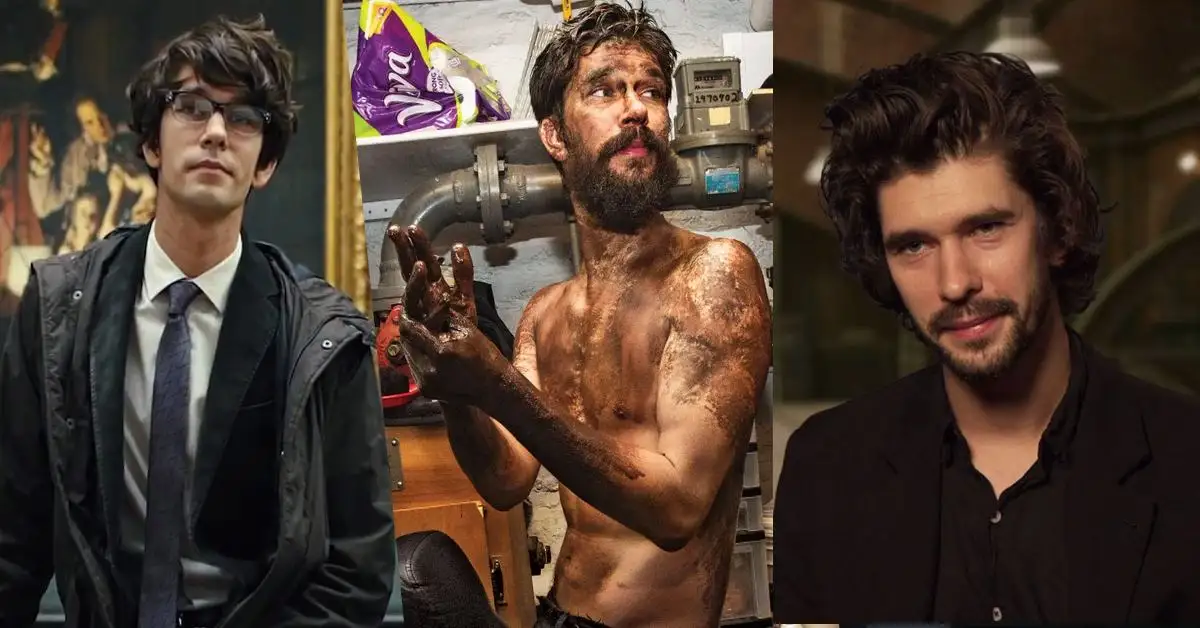
HOLLYWOOD — Listen, if you want to understand the modern trade of a “Utility Juggernaut,” you look at the ledger for Ben Whishaw.
As of May 1, 2026, the cumulative global box office footprint for Whishaw is sitting in the multi-billion dollar range, anchored by the Bond franchise and the Paddington series.
While the specific 1980–1998 data is nonexistent because the man was barely out of drama school, his run from the early 2000s to today is a masterclass in ROI. He is the guy who provides the Science of Editing to a film’s marketing—he brings a specific, prestige hook that keeps the viewer in the seat before they even realize they’ve been sold a ticket.
The Anchor of the Billion-Dollar Franchise
Whishaw’s trade value hit the stratosphere when he stepped into the role of Q in Skyfall (2012). That film didn’t just have a decent jump; it delivered an all-time record for the series with a domestic gross of over $304 million and a worldwide haul exceeding $1.1 billion.
For MGM and Sony, Whishaw was the perfect “Context” in the CVF Method of casting. He gave the audience a relatable, high-IQ face that bridged the gap between the old-school action and the digital-heavy future of espionage.
The analysis here is simple. Studios don’t just hire Whishaw for his face; they hire him for the Neural Coupling his performances create with the audience.
When he plays a technician or an intellectual, the audience syncs with his narrative rhythm. This keeps the Emotional Cycle of the film in a constant state of fluctuation, which is exactly what you need for a franchise to survive multiple sequels.
His presence in Spectre and No Time to Die ensured a steady hold for the supporting cast’s credibility, even when the primary plot points faced mixed word-of-mouth.
The Voice that Hacked the International Rollout
Then we have the Paddington phenomenon. This is where the trade math gets really interesting. Paddington (2014) and its sequel weren’t just hits; they were global cultural events that leveraged the psychological phenomenon of Paradolia. Because Whishaw’s voice is so distinctively “human” and vulnerable, our brains naturally assign a complex internal life to a CGI bear.
- Paddington (2014): Grossed $76 million domestically but a massive $282 million worldwide.
- Paddington 2 (2017): Maintained a steady hold with $227 million worldwide.
The international rollout for these films was the primary engine. In territories like the UK, the Paddington movies showed incredible multiples, staying in the top ten for weeks on end. This isn’t luck; it’s the Dopamine Gap in action. The marketing creates an expectation of warmth, and the reality of Whishaw’s performance beats that expectation, hooking the audience for the entire theatrical run.
The Prestige Risk and the Indie Reality
The industry often tries to pigeonhole Whishaw as a “voice” or a “sidekick,” but the reality of the audience mood suggests they want more of his raw, Eternal Loneliness.
When he takes on roles like those in Perfume: The Story of a Murderer or The Personal History of David Copperfield, he isn’t playing a hopeless romantic. He is playing a character driven by a deep, almost toxic obsession that mirrors the intensity we see in the most dangerous villains.
Analyzing the Theatrical Math
While the specific Friday-to-Sunday weekend numbers for his latest May 2026 indie release are not available, we can look at his per-theater average for prestige titles like Women Talking (2022).
That film was an average opener in limited release but showed a decent jump once it hit the awards circuit. The demographics for these films skew heavily toward the 25-45 female audience and the high-income “urban cinephile” bracket.
Whishaw’s report card shows he is a master of the 30 Second Rule. Whether it’s a voice-over or a quick scene as a technical genius, he justifies the viewer’s click—or in this case, their ticket purchase—within the first minute of appearing on screen. This is why his lifetime domestic collection continues to grow even when he isn’t the primary name on the marquee. He is a “Force Multiplier” for the domestic gross.
The Trade Verdict for 2026
If you are a studio exec, Whishaw is your “Safe Prestige” bet. He carries no Negative Status. He doesn’t bring the baggage of a Toxic Relationship or a high-profile celebrity disaster that ruins a marketing campaign. He is a professional laborer of the craft.
The forward-looking verdict is clear. Whishaw will continue to be the backbone of mid-to-high-budget British co-productions. His ROI is remarkably consistent because he doesn’t demand the “Tony Stark” salary, but he provides a “Tony Stark” level of character complexity. For the studios, that is a win-win scenario.
BingeTake Verdict
Ben Whishaw is the ultimate “Invisible Lead.”
While his face might not always be the largest on the poster, his voice and character work are often the primary reason for a film’s holdovers in the third and fourth weeks.
He understands that Storytelling Science is the Sachin Tendulkar of the content industry. It’s the only thing that keeps people coming back.
Is this good news? Absolutely.
His lifetime domestic collection will only hit its peak once he leads a major live-action solo franchise, which I predict will happen by late 2027.
Nitesh Mishra, Box Office Analyst
Join BingeTake
Get Box Office Updates directly on WhatsApp from your personal Box Office Insider.
Related Posts





You May Have Missed
About the Author

Nitesh Mishra
Box Office Analyst
As a Movie buff with years of experience in film blogging, writing and box office analysis, I specialise in delivering accurate box office insights and movie updates. [X, Instagram, Reddit, Threds]