
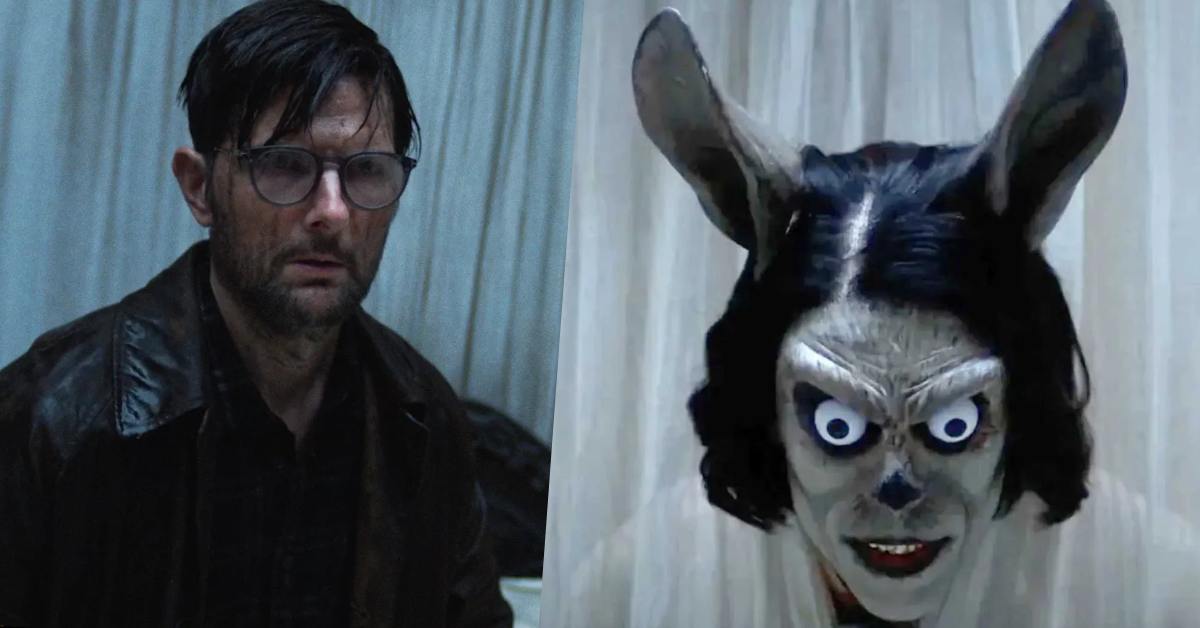
Damian McCarthy Goes Wide: How Hokum’s Budget Signals a New Era for Neon Horror
HOLLYWOOD — Neon is placing a calculated bet on the shadows this weekend as Hokum officially entered wide release on May 1, 2026. The film, which marks the highest-profile project to date for Irish director Damian McCarthy, represents a major strategic shift for the indie distributor.
While Neon typically thrives in the low-budget, high-concept horror space, Hokum arrived on 1,850 screens, signaling a move toward more traditional theatrical dominance for the label.
The deal centers on a recognizable lead in Adam Scott, moving the needle from McCarthy’s “no-budget” roots to a more polished, mid-tier production designed for a broader American audience.
The broader market context reveals a fascinating struggle for airtime in a week dominated by legacy IP.
Hokum is currently fighting for screen space against the gargantuan opening of The Devil Wears Prada 2, which secured 4,150 theaters for its debut. For Neon, the goal is not to beat the blockbusters but to carve out a profitable niche with a lower break-even point. By leveraging McCarthy’s cult reputation—built on previous successes like Oddity—Neon is using Hokum to test the viability of “elevated folk horror” as a sustainable theatrical product rather than just a streaming buyout for platforms like Shudder.
This strategy directly impacts the asking price for directors like McCarthy, who are effectively proving they can handle “bigger budgets” without losing the visceral, unsettling quality that defines their brand.
There is a nagging question in the trades about whether the move to a “polished” production actually dilutes the very ambiguity that made McCarthy a horror darling to begin with.
Critics have already noted that Hokum feels like a “tightly wound trap,” but some argue the narrative arc for Adam Scott’s character, Ohm Bauman, feels a bit more redemptive and audience-facing than McCarthy’s earlier, bleaker work.
Is this the result of a larger budget demanding a more digestible story, or is it a natural evolution of a filmmaker with more resources at his disposal?
From Euro-Indie to Mid-Tier Horror
The timeline of Hokum began on the wind-swept locations of Skibbereen and the West Cork Film Studios in Ireland.
According to reports from Echolive, the production was substantial enough to require temporary road closures and diversions, a far cry from the director’s first feature, Caveat, which he described as feeling like a “home movie” made with “absolutely no resources”.
McCarthy has been open about his early career, where budgets often consisted of just a few hundred euros and cast lists were filled with friends and roommates.
With Hokum, the financial structure shifted toward a professional “mid-tier” model.
While exact dollar figures for the production budget are currently not available, the film is described as having a “somewhat bigger budget” than any of McCarthy’s prior works.
This upgrade allowed for a polished look that hides what McCarthy calls the “sins” of low-budget filmmaking—limitations in art direction and production design that he previously masked with black-and-white filters or muted colors.
For this project, Neon ensured a wide theatrical footprint that is nearly double the typical “boutique” release.
Hokum Salary Math and the Star Power Factor
The addition of Adam Scott as the lead is the primary driver of this higher budget tier.
Scott plays Ohm Bauman, a grief-stricken author who travels to a remote Irish inn to scatter his parents’ ashes, only to be haunted by visions of a supernatural witch in a locked suite.
Specific salary figures for Adam Scott, director Damian McCarthy, and the supporting cast and crew are not available at this time.
However, in the current market, a star of Scott’s caliber—transitioning from high-profile television like Severance—typically commands a premium that significantly elevates the “above-the-line” costs for an independent production.
Variety and The Numbers confirm that Hokum is the seventh-ranked film in theater counts this week, positioned just behind major studio releases like Lee Cronin’s The Mummy.
This ranking is critical. Neon is not just buying a film; they are buying into McCarthy as an asset. By pairing him with an established American star, they are hedging against the risks of a “pure” folk horror film that might otherwise get lost in the shuffle of SVOD libraries.
Hokum Crew and Production Pedigree
The technical polish of Hokum is another area where the “bigger budget” is visible. The film runs 1 hour and 47 minutes and is rated R for its unsettling content.
McCarthy’s stubborn, hands-on approach remains—he has historically taken on roles including editing, sound design, and art direction—but Hokum allowed for a more specialized crew.
Long-time collaborator Seamus Hegarty returned as a key creative force, helping McCarthy transition his short-film aesthetics into a wide-screen, theatrical reality.
According to Gizmodo and Mashable, the production value is a centerpiece of the film’s marketing, with Neon releasing high-intensity trailers designed to create “nightmare fuel” for the digital age.
The ROI on this project will likely be measured by its longevity on horror streaming platforms following its theatrical run, but for now, the 1,850-theater count serves as the primary metric of Neon’s confidence.
BingeTake Verdict
My expert take? This is a win for the genre, even if the “Hokum” budget doesn’t hit the nine-figure mark of a summer blockbuster.
Neon is playing the long game with Damian McCarthy. By giving him a “recognizable star” and a wider release, they are setting him up to be their next big “horror brand” in the vein of an Ari Aster or Robert Eggers.
Even if the domestic opening is modest compared to Michael or The Devil Wears Prada 2, the international sales and eventual streaming licensing will make this a highly profitable venture for a mid-tier horror film.
The real ROI here isn’t just the first-weekend box office; it is the IP acquisition of a director who can reliably scare audiences for a fraction of a superhero movie’s cost.
Ganesh Mishra, Business Analyst
Join BingeTake
Get Box Office Updates directly on WhatsApp from your personal Box Office Insider.
Related Posts




You May Have Missed

About the Author

Ganesh Mishra
Business Analyst
Hi, I'm Ganesh. I’ve spent the better part of my career obsessed with how the entertainment industry actually works behind the scenes, looking at the contracts, the streaming wars, and the massive deals that decide what you’ll be watching next Friday. I love breaking down complex business moves into simple stories, and I’m here to make sure you’re always the most informed person in the room when it comes to the business of entertainment.