
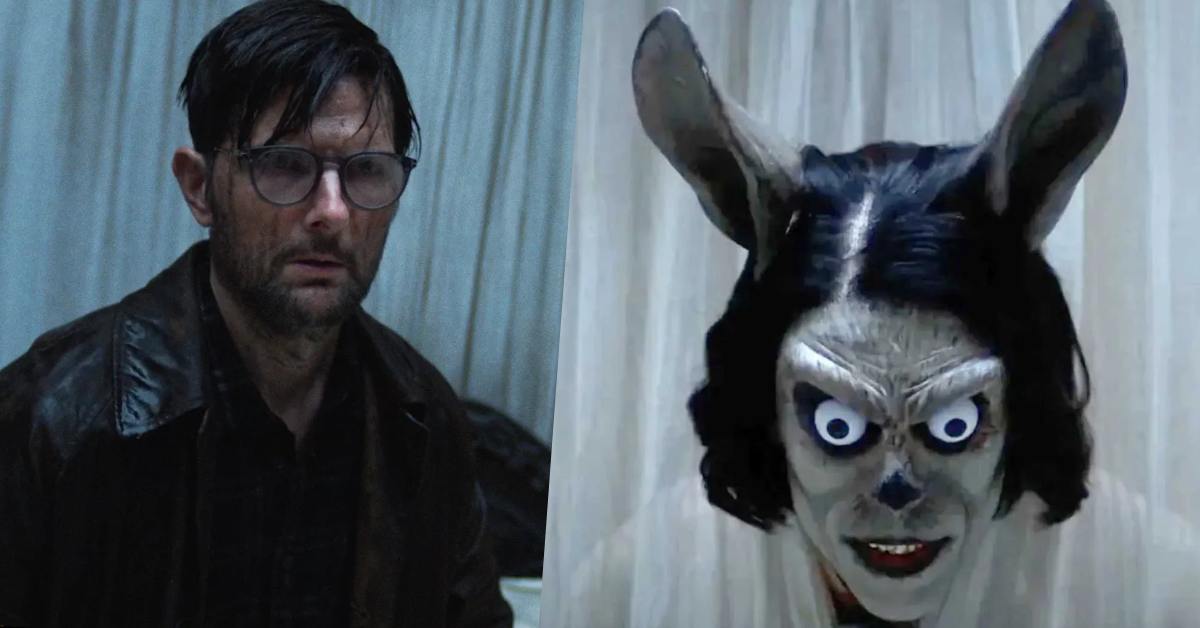
Parents’ Guide to Hokum: Analyzing the 2026 R-Rated Horror Hit, Ratings, and Trigger Warnings
LOS ANGELES — Forget the popcorn and the juice boxes. If you were planning on taking the little ones to see Hokum this weekend, you might want to pivot to a different screen. Tomorrow, May 1, 2026, Damian McCarthy’s latest nightmare fuel officially checks into US theaters via Neon, and the word from the early screenings is loud and clear.
This isn’t a family-friendly ghost story. It’s a jagged, psychological autopsy of a man’s soul, and it is definitely not for the faint of heart—or anyone who still sleeps with a nightlight.
The stakes here are massive for the indie horror scene. After the success of Oddity, McCarthy has become a major player in the “Irish Folk Horror” resurgence.
Neon is treating this with a prestige “windowing strategy,” keeping it strictly theatrical for now to build that word-of-mouth dread before it hits the “PVOD” market later this summer.
They want you in those seats, feeling the collective anxiety of a theater full of strangers. But for parents, that prestige comes with a heavy “R” rating and a list of trigger warnings that would make even a seasoned horror junkie flinch.
Look, I know what you’re thinking. We’ve seen haunted hotels before. We’ve seen the “cynical writer” trope a thousand times. But the reality is that McCarthy doesn’t do “generic.” He does “visceral.”
The question isn’t whether your kids can handle a jump scare.
The question is whether they should be exposed to a movie that treats childhood trauma like a terminal illness. Are we actually ready to explain the nuances of “hallucinogenic-induced grief” to a twelve-year-old on the car ride home?
The R-Rating Breakdown: Why the MPA Isn’t Joking
Hokum earned its R-rating for “some violent/disturbing content and language,” but that clinical description barely scratches the surface. This is a movie where the environment itself feels like it’s trying to swallow you whole. According to recent reports from Bloody Disgusting, the film is a masterclass in “creepy grotesquerie.”
We aren’t just talking about a ghost in a white sheet. We are talking about an ancient, “witchy terror” lurking in the bowels of an Irish inn.
Language is a factor here, too. Adam Scott’s character, Ohm Bauman, isn’t exactly a role model. He is an abrasive, foul-mouthed novelist with a penchant for high-proof spirits and low-blow insults.
The “language” isn’t just about four-letter words; it’s about the caustic, soul-crushing way these characters interact. As per the content advisory from StoryScanner, the dialogue is “smart but crude,” reflecting the high-stress environment of people trapped in a literal and metaphorical haunting.
The “Ohm Bauman” Problem: Substance Abuse and Cynicism
Let’s dive into the protagonist. Adam Scott is playing against type here, shedding his “likable guy” persona for someone who is genuinely hard to root for.
Ohm is a man battling a serious drinking problem, and the film doesn’t glamorize it. He is self-destructive. He is grieving. He is spreading his parents’ ashes while drowning his sorrows in whatever the local bartender can pour.
For parents, this is a major “Reality Check.” The film isn’t just about monsters in the honeymoon suite; it’s about the monsters we carry with us. Sight and Sound (BFI) noted in their review that Ohm is a “haunted man” in every sense of the word.
The movie explores addiction and the “guilt and trauma” of childhood in ways that are deeply uncomfortable. There’s even a subplot involving a “magic mushroom enthusiast” named Jerry (David Wilmot) who makes his own hallucinogenics in the forest. This adds a layer of surrealism that makes the line between “ghost” and “hallucination” dangerously thin.
👇 Join the inner circle—Receive Latest Updates on WhatsApp, Chat & Debate on Telegram Group. 👇
👇 Join the inner circle 👇
Triggers: Childhood Trauma and Bleak Endings
The central mystery of Hokum involves a childhood event that Ohm has spent his entire life trying to outrun.
The movie uses “hallucinatory visions” to bring those memories to life. This isn’t the “fun” kind of scary. It’s the kind of scary that lingers. In an interview with The Hollywood Reporter, it was mentioned that the film avoids the “happy ending” tropes that mainstream Hollywood usually demands.
Instead, McCarthy leans into the “bleak ending” style he is known for.
If your kids are used to the “everyone is fine” resolution of a Disney flick, they are going to be in for a rude awakening. The film deals with themes of “ever-present death” and the “darkest corners of the past.” It is heavy stuff. It is intellectual horror that demands a level of emotional maturity that even some adults struggle to find.
Who Should Watch? (And Who Should Definitely Skip)
If you have a teenager who is a “Stan Twitter” horror devotee and has already memorized every frame of Hereditary and The Witch, they will likely love this. It is high-art horror. It rewards a “deep-dive” analysis and will fuel a thousand theories on “Horror Reddit.” The “Adam Scott performance” alone is worth the price of admission for genre fans.
However, if you’re looking for a “date night” movie that leaves you feeling good, or a “family night” thriller, keep moving. The “witch in the honeymoon suite” is a terrifying creation that reportedly looks like something out of a medieval nightmare.
According to the review from Mashable, the production design uses the colors of “wood, rot, and beaten flesh.” It is a visual assault that aims for the jugular.
My take?
Hokum is a spectacular achievement for Damian McCarthy, but it is a “strictly for adults” experience. The R-rating is a warning, not a challenge.
It’s good news for the horror community—we are getting a film that takes its themes seriously and doesn’t pull its punches. But for the parents out there? Save yourself the nightmare and book a sitter.
This one is going to leave a mark.
Jogendra Mishra, Journalist
So, tell me—do you think modern horror has gone too far with the “trauma-as-plot” trend, or is Hokum the wake-up call the genre needs?
Join BingeTake
Get Box Office Updates directly on WhatsApp from your personal Box Office Insider.
Related Posts




You May Have Missed

About the Author

Jogendra Mishra
Journalist
I’m Jogendra Mishra — a writer Since 2012’ experience in Movies and Comic Books and Anime. currently working at BingeTake where I cover industry updates.