
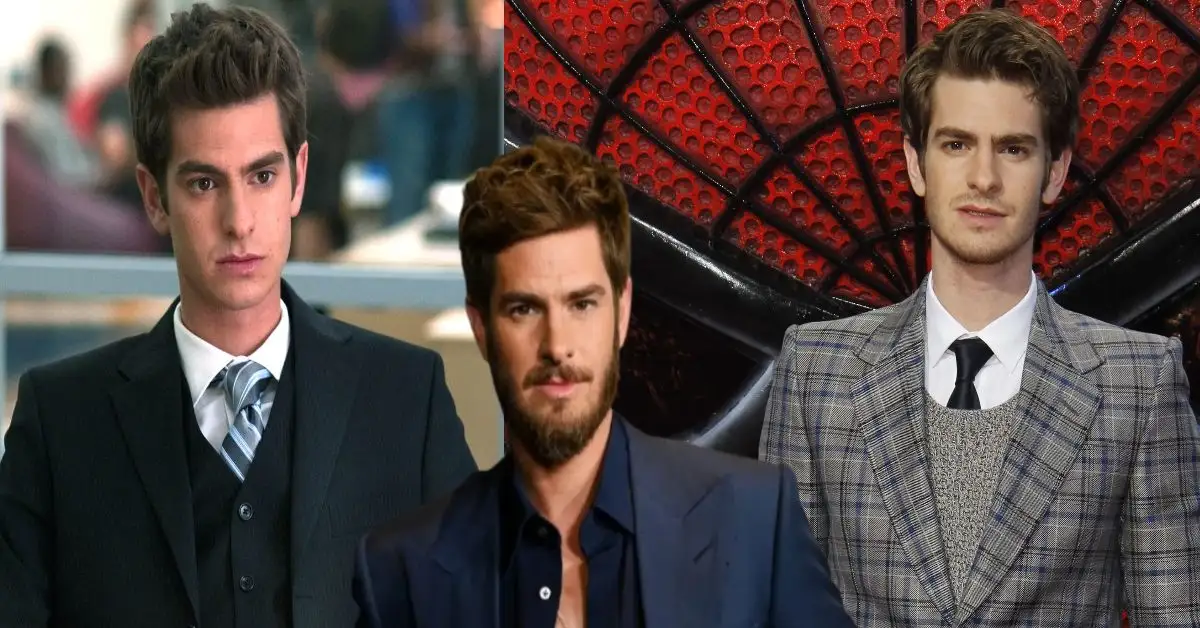
Andrew Garfield Lifetime Box Office Report Card (1980-2026): Hits, Flops, and Indie Multipliers Analyzed
LOS ANGELES — When tracking the trajectory of modern leading men, Andrew Garfield offers one of the most fascinating case studies in Hollywood. From his early theater days to becoming a global superhero and eventually a prestige darling, his theatrical report card from 2007 to 2026 is a masterclass in career pivoting.
Today, the BingeTake desk is looking at the commercial footprint of his biggest swings.
The Social Network: The Prestige Launchpad
Long before he was wearing spandex, Garfield found his breakout footing in David Fincher’s 2010 tech drama. The studio took a gamble on a heavy, dialogue-driven film about the founding of Facebook. The marketing targeted an older, intellectual audience, and the theatrical rollout relied heavily on critical acclaim and word-of-mouth.
The theatrical verdict was an undeniable success. The audience demographic skewed heavily toward college-educated adults who turned out in droves. This film established Garfield as a serious commercial entity. He was a key piece of an ensemble that brought prestige drama back to the top of the box office charts.
The Franchise Catalyst: The Amazing Spider-Man
In 2012, Sony Pictures needed to reboot its most valuable property. They handed the keys to Garfield, banking on his combination of fresh-faced innocence and nervous agility.
Stepping into the shoes of Peter Parker is a massive box office responsibility. The studio pumped an enormous production budget into this reboot. The international rollout was massive.
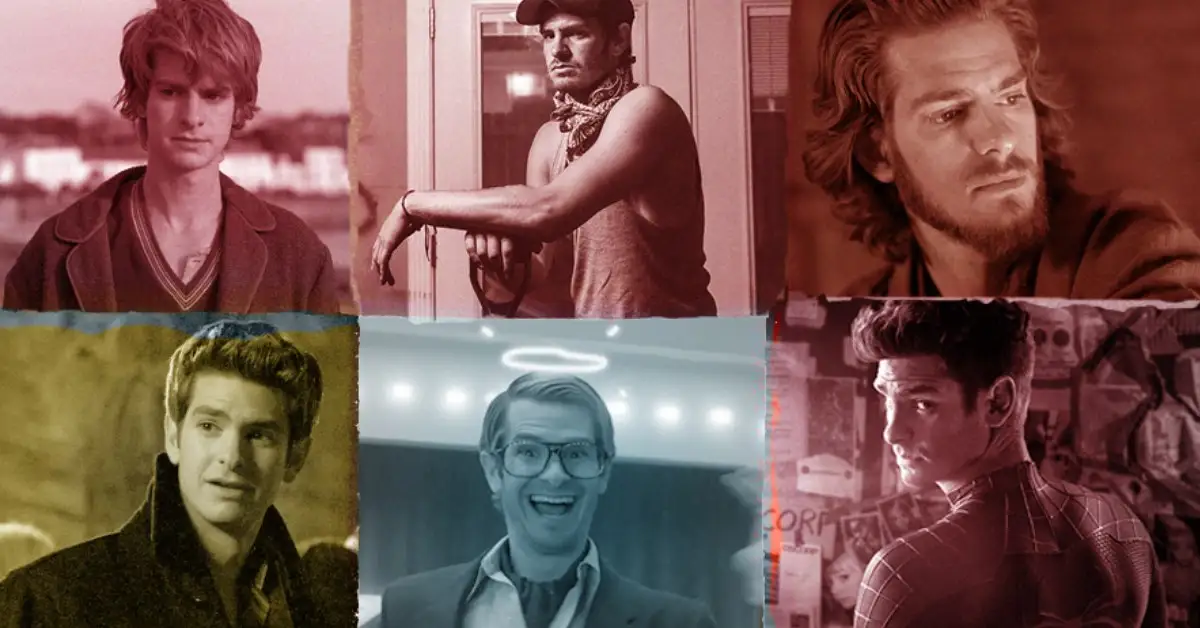
The audience demographic was overwhelmingly young and male, though the romantic subplot drew in strong female demographics as well. The theatrical run was highly scrutinized. While the initial run had a solid opening, the subsequent installments faced a harsher reality regarding poor box-office performance and mixed reviews. The franchise eventually stalled, but Garfield’s specific contribution gave him extreme global visibility.
The Cultural Shift in Audience Sentiment
Here is the undeniable truth about the current audience mood regarding Andrew Garfield. While The Amazing Spider-Man 2 had a rocky theatrical exit, time has been incredibly kind to its legacy. Following his appearance in the massive 2021 crossover Spider-Man: No Way Home, the audience reception shifted dramatically.
Fans who previously dismissed his era finally appreciated his deeply empathetic take on the character, taking to social media to get #MakeTASM3 trending. His recent projects, like the musical drama Tick, Tick… Boom! and the emotional powerhouse We Live in Time have seen stellar audience reception. Critics and crowds alike are praising his onscreen chemistry and raw vulnerability.
The public does not just tolerate Garfield; they actively root for him.
The Heavy Drama Holdover: Hacksaw Ridge
Let us talk about the 2016 theatrical landscape. Garfield took on the lead role as Desmond Doss in a grueling war drama directed by Mel Gibson. War films are notoriously tricky at the box office. They require older demographics to show up, and they rely heavily on strong weekend multiples rather than explosive opening days.
Did the film break the bank?
The marketing leaned heavily into the true-story element, targeting international markets that appreciate visceral historical epics.
Garfield’s performance anchored the film, earning him an Academy Award nomination and helping the movie maintain steady holds week after week. Films like this do not survive on a single weekend; they survive because the Friday-to-Sunday drops stay in the single digits, allowing the theatrical run to stretch out for months. The verdict is a resounding win for adult-oriented theatrical counter-programming.
The Art-House Rebound: We Live In Time
After scaling the heights of the blockbuster machine, Garfield pivoted back to the specialty box office. In 2024, he starred alongside Florence Pugh in a nonlinear romantic drama that played directly to adult audiences looking for character-driven cinema. The domestic rollout for this film was a textbook platform release. It started in a highly limited number of theaters to build prestige word-of-mouth before expanding widely.
What was the exact final domestic gross or the specific Friday-to-Sunday weekend haul?
Looking at the trade logic, this is exactly how you leg out an indie film. The audience was hooked by the emotional devastation of the narrative. This was not a front-loaded blockbuster; it relied on steady holdovers and older demographics who do not rush out on opening night.
The verdict here is a strategic victory for specialty distribution.
BingeTake Forward-Looking Verdict
I have analyzed these career trajectories for years.
Andrew Garfield’s theatrical track record is absolute proof that you can survive a franchise stall if you have the acting chops to back it up. He is not your standard action star who relies strictly on IP to put crowds in seats. He is the guy who elevates mid-budget dramas and prestige indies.
Going forward, his bankability relies on these emotional, Oscar-adjacent roles where his multiples thrive. He has secured the goodwill of the blockbuster crowd and the respect of the art-house theatergoers. That is a rare, highly profitable sweet spot in today’s fractured market.
Nitesh Mishra, Box Office Analyst
I want to hear your take on his theatrical run. Do you think his box office peak will remain tied to the Spider-Man mask, or is his future entirely in highly profitable indie tearjerkers like We Live in Time? Drop your thoughts in the comments and let us debate the trends.
Join BingeTake
Get Box Office Updates directly on WhatsApp from your personal Box Office Insider.
Related Posts





You May Have Missed
About the Author

Nitesh Mishra
Box Office Analyst
As a Movie buff with years of experience in film blogging, writing and box office analysis, I specialise in delivering accurate box office insights and movie updates. [X, Instagram, Reddit, Threds]