
From Accidental Death to Aunt May: Why Marvel Studios Officially Changed Spider-Man’s Origin Story For Tom Holland
LOS ANGELES — The secret is finally out, and it is a doozy for anyone who grew up clutching a copy of Amazing Fantasy #15.
For a decade, we have all just assumed that the Marvel Cinematic Universe simply skipped over the radioactive spider bite and the tragedy of Uncle Ben because, frankly, we had seen it twice in ten years.
We thought Peter Parker was still carrying that heavy cross of “Great Responsibility” off-screen while he was busy stealing Captain America’s shield. We were wrong.
As it turns out, the MCU didn’t just skip the origin; they fundamentally rewrote the moral DNA of the world’s most famous wall-crawler.
In a bombshell revelation dropped right on the tenth anniversary of Captain America: Civil War, director Joe Russo has officially pulled back the curtain on why Tom Holland’s Peter Parker felt so… different.
The stakes of this reveal are massive for the future of the Spider-Man franchise, especially with Spider-Man: Brand New Day swinging into theaters this July. This isn’t just a minor tweak to the timeline. This is a full-blown reconstruction of the character that millions of fans have debated on Stan Twitter for years.
Marvel didn’t just want to avoid repetition; they wanted to avoid the darkness.
But here is the million-dollar question: Can you actually have Spider-Man without the soul-crushing guilt of a preventable tragedy?
For years, the fandom has been split between those who love the “Iron Boy Jr.” era and those who missed the gritty, penniless Peter of the Sam Raimi years. By removing the specific failure that defines Peter Parker, Marvel made a gamble on a “lighter” hero.
Was it a stroke of genius to keep the MCU’s tone consistent, or did they accidentally strip away the very thing that makes Spider-Man the most relatable hero in the world?
The Russo Revelation: It Was an Accident
According to a massive new interview with CBR, Joe Russo has finally confirmed what many of us suspected but didn’t want to believe.
In the MCU, Peter Parker was not responsible for the death of Uncle Ben. Read that again. The defining moment of the character—letting a thief go only to have that same criminal kill his father figure—simply did not happen in this universe.
Russo stated that while he was a massive fan of the character growing up, he and his brother, Anthony, wanted to “manifest that responsibility through accidental death.”
This is a seismic shift from the canon we have known for over sixty years.
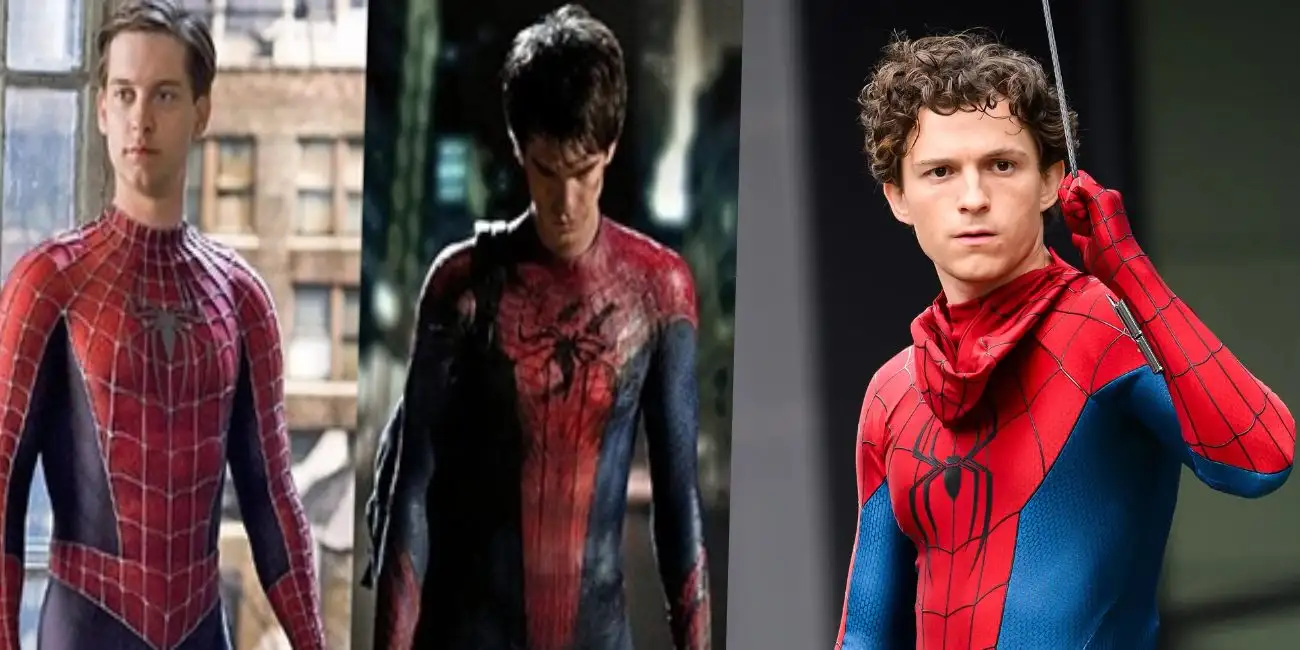
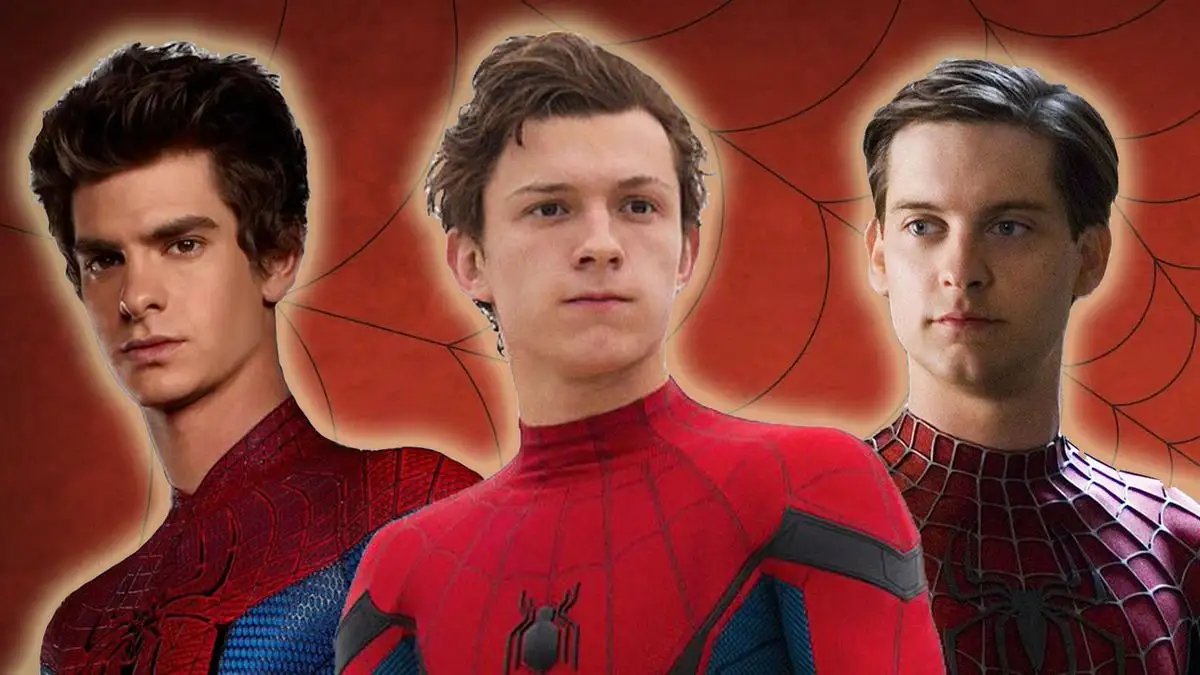
In the comics, Tobey Maguire’s films, and Andrew Garfield’s run, Peter’s inaction is the catalyst for his entire life as a hero. By making Ben’s death a mere accident, the MCU removed the “original sin” of Spider-Man.
Russo explained that they felt the sense of loss and pressure could be maintained without the crushing weight of direct guilt. They wanted to keep the “spirit” of the character while pivoting away from the specific trauma that usually drives him.
As per the official word from the directors, this wasn’t some executive mandate from the Disney higher-ups to sell more lunchboxes.
It was a creative choice based on the guy wearing the spandex. The filmmakers were looking at the raw energy Tom Holland brought to the table during his screen tests with Robert Downey Jr. and Chris Evans. They saw a kid who was full of “aw shucks” wonder and rookie enthusiasm. They worried that if this version of Peter was carrying the blood of his uncle on his hands, he would have been a “very different, more intense” character that wouldn’t fit the vibe of Civil War.
The Tom Holland Factor and Tone Management
In the world of Hollywood windowing strategy and long-term franchise planning, tone is everything.
You cannot have a kid who is essentially a child soldier in Tony Stark’s private army if he is also a brooding, guilt-ridden orphan who thinks he’s a murderer.
Joe Russo told IGN that Holland’s Peter was meant to be the “outsider,” the rookie who couldn’t believe he was playing with the ’96 Chicago Bulls. He was the audience surrogate, and that required a level of lightness that the traditional origin story simply doesn’t allow.
Think about the industry impact here. By softening Peter’s edges, Marvel and Sony were able to integrate him seamlessly into the larger Avengers tapestry. He became the “kid sister” of the MCU, a protégé rather than a haunted vigilante.
This allowed for those massive backend deals and cross-promotional appearances that turned Holland into a global icon. If he had been the traditional, guilt-driven Peter, his relationship with Tony Stark would have been much darker and more transactional. Instead, it was a heartwarming father-son dynamic that fueled three solo movies and two Avengers epics.
However, many critics have pointed out that this choice created a “hollow” Spider-Man for a long time. According to Screen Rant, the lack of an Uncle Ben connection is why many fans felt the character didn’t truly “become” Spider-Man until the end of No Way Home.
In that film, the “Great Responsibility” line finally showed up, but it came from Aunt May. The MCU basically used an entire trilogy as a “delayed origin story,” using May as the sacrificial lamb to finally give Peter the moral foundation he was missing.
The Aunt May Pivot and the Long Game
The strategy here is fascinating from a narrative perspective.
Instead of giving us the same story we saw in 2002 and 2012, Marvel decided to play the long game. They traded Uncle Ben for Aunt May.
Marisa Tomei’s version of the character became the moral compass, and her death at the hands of the Green Goblin served as the “Ben moment” for this Peter. It was a clever way to keep the character fresh, but it also meant that for five years, Peter Parker was operating without his primary motivation.
As per the reporting from Comicbook.com, this shift was a deliberate attempt to subvert audience expectations. By the time we got to No Way Home, the emotional payoff was massive because we had spent so much time with this version of Aunt May.
But let’s be real—does it hit the same?
There is something fundamentally different about a hero who is born from a mistake versus a hero who is born from a tragedy.
One is a quest for redemption; the other is a quest for justice. The MCU chose justice, and that changed the flavor of the entire franchise.
With Spider-Man: Brand New Day on the horizon, we are entering a new era. The “accidental” death of Uncle Ben is now firmly part of the fandom lexicon.
Peter is now truly alone, his identity wiped from the world, living in a crappy apartment with a police scanner. He has finally reached the status quo of the comics, but the road he took to get there was paved with “accidental” tragedies rather than personal failures. It’s a cleaner, more modern take on the hero, but some would argue it’s a less human one.
BingeTake Take: The Cost of a Lighter Spidey
I’m going to level with you: I think this is a bit of a cop-out. I get why the Russos did it.
They wanted to make a fun, high-flying superhero movie where a teenager gets to quip with Iron Man. They didn’t want the “bummer” of a kid dealing with the fact that he basically let his uncle die. But that “bummer” is why we love Peter Parker!
He’s not a hero because he’s strong; he’s a hero because he’s trying to make up for the one time he wasn’t brave enough.
By making Ben’s death an accident, they turned Peter into a “chosen one” rather than a self-made moralist.
It’s good news for the box office because it keeps the movies “all-ages” friendly, but it’s a bit of a slap in the face to the core philosophy of Stan Lee and Steve Ditko.
Moving forward, I hope Brand New Day leans into the loneliness and the weight of being the “Friendly Neighborhood Spider-Man” without a billionaire benefactor. We’ve had the fun. We’ve had the lightness.
Now, give us the kid who has to choose between paying rent and saving the city. That’s the Spider-Man I recognize.
Jogendra Mishra, Journalist
Do you think the MCU’s choice to make Uncle Ben’s death an “accident” makes Peter Parker a better hero, or does it take away the very thing that makes him Spider-Man?
Join BingeTake
Get Box Office Updates directly on WhatsApp from your personal Box Office Insider.
Related Posts


You May Have Missed
About the Author

Jogendra Mishra
Journalist
I’m Jogendra Mishra — a writer Since 2012’ experience in Movies and Comic Books and Anime. currently working at BingeTake where I cover industry updates.