
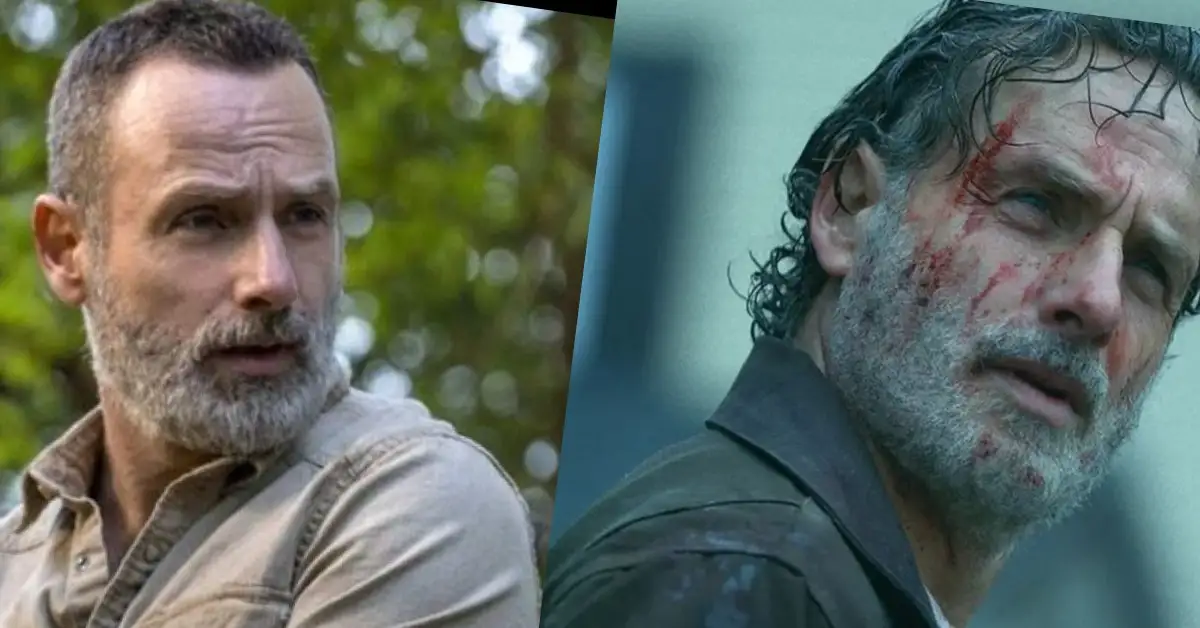
HOLLYWOOD — While the world knows him as the man who led the apocalypse on the small screen for nearly a decade, Andrew Lincoln’s theatrical scorecard tells a story of precision over volume.
Anchored by the $246 million global haul of a certain Christmas classic, Lincoln has navigated the box office through the lens of high-concept indies and international power plays.
Today, the BingeTake desk is running the tape on every major theatrical verdict in his career, from his early breakout years to the streaming-heavy reality of April 2026.
The Rom-Com Heavyweight: Love Actually
Listen, you can’t talk about Andrew Lincoln’s theatrical bankability without starting with the 2003 behemoth that is Love Actually. The studio put up a production budget of approximately $45 million for Richard Curtis’s ensemble experiment, and the return was nothing short of a massive hit.
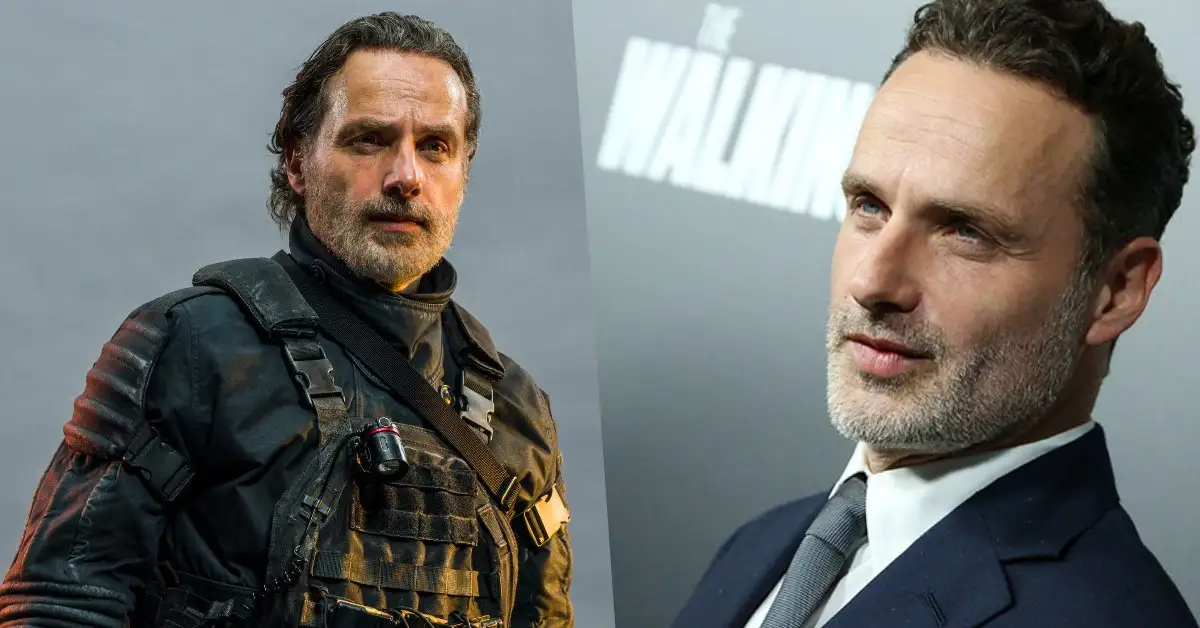
In the United States, the film took a platform approach, opening in limited release to a respectable $6.8 million weekend. But the trade story here isn’t the opening; it is the legs.
The movie eventually climbed to a $59.6 million domestic total. That is a nearly 9x multiple from its wide-opening numbers, which is a dream for any distributor. Overseas, the numbers were even more aggressive. The international rollout added another $187 million, bringing the worldwide box office gross to $246.9 million.
For Lincoln, this wasn’t just a role; it was a global calling card that proved he could play in the big leagues of prestige commercial cinema. The audience demographic was heavily female-skewing, which drove the film’s incredible holdovers throughout the holiday season.
The Reality of the “Rick Grimes” Shadow
Here is the trade reality check that many fans ignore: being a TV god doesn’t always translate to being a theatrical draw. After Lincoln became a household name on AMC, the industry expected a massive jump into $100 million blockbusters. It never quite happened.
Why?
Because the audience’s mood shifted. Fans didn’t want to see “Rick Grimes” in a suit; they wanted more of the apocalypse.
This created a fascinating disconnect.
While his brand value was at an all-time high, his theatrical footprint during the peak of his TV fame remained surprisingly light. Did he miss his window for a massive franchise lead, or did he intentionally dodge the blockbuster machine to maintain his craft?
The Niche Success: Made in Dagenham and Heartbreaker
In 2010, right before the world ended in Georgia, Lincoln participated in two very different theatrical plays. First, we have the British historical drama Made in Dagenham. Produced on a lean $8 million budget, this film was a textbook example of a modest niche success.
Domestically in the US, the film barely made a dent, pulling in just over $1.1 million during its theatrical run.
However, the international markets saved the day, specifically the UK, contributing to a $14.5 million overseas haul. With a $15.6 million global finish, the film roughly doubled its production budget.
In trade terms, that is a steady hold that likely found its real profit in home video and television licensing.
Then we have Heartbreaker (or L’Arnacœur), a French romantic comedy where Lincoln took a supporting turn. This is where the international math gets interesting.
While the US gross was a microscopic $504,000, the film was a juggernaut in France and the UK, totaling over $48 million worldwide. This highlights a key trend in Lincoln’s report card: his value is significantly higher in European markets than in the traditional US domestic box office.
The Streaming Shift: Penguin Bloom and Beyond
By the time 2021 rolled around, the theatrical landscape had been demolished and rebuilt. Lincoln’s return to film with Penguin Bloom offered a glimpse into the modern hybrid model. The film, which tells the true story of the Bloom family, saw a very limited theatrical release in certain territories like Australia.
The international box office for Penguin Bloom sat at approximately $6.2 million.
In the United States, the film was scooped up by a major streaming platform, meaning the “domestic gross” as we traditionally define it is essentially non-existent. This is the new reality for “prestige” actors. The math isn’t about ticket sales anymore; it is about acquisition fees and subscriber retention.
For Lincoln, this move was a strategic play to maintain his “Serious Actor” status without the pressure of a Friday-to-Sunday opening weekend total.
2026: The Theatrical Void
As of April 2026, the data shows a significant shift.
Lincoln’s latest project, Coldwater, is a high-profile series for Paramount+ rather than a theatrical feature. This means that for the current cycle, his theatrical box office report card is essentially on hiatus. The 1980–2026 range shows us an actor who is a king of the small screen but treats the cinema as a place for specific, character-driven ensembles rather than $200 million tentpoles.
BingeTake Verdict
Here is my expert take: Andrew Lincoln is a “Theatrical Specialist” rather than a “Blockbuster Lead.” His lifetime domestic collection is heavily weighted toward his early ensemble work, and unless he signs on for a massive MCU-style franchise, that isn’t going to change.
For a studio, he is a safe bet for a supporting role in a $40 million drama, but the trade logic doesn’t support him as a solo lead for a summer tentpole.
Is that bad news? Not at all.
It means he has the freedom to pick projects that actually matter, while his TV legacy pays the bills. His box office power is concentrated in his “Multiple”—how well his movies hold over time—rather than a flashy opening day.
Nitesh Mishra, Box Office Analyst
Join BingeTake
Get Box Office Updates directly on WhatsApp from your personal Box Office Insider.
Related Posts





You May Have Missed
About the Author

Nitesh Mishra
Box Office Analyst
As a Movie buff with years of experience in film blogging, writing and box office analysis, I specialise in delivering accurate box office insights and movie updates. [X, Instagram, Reddit, Threds]