
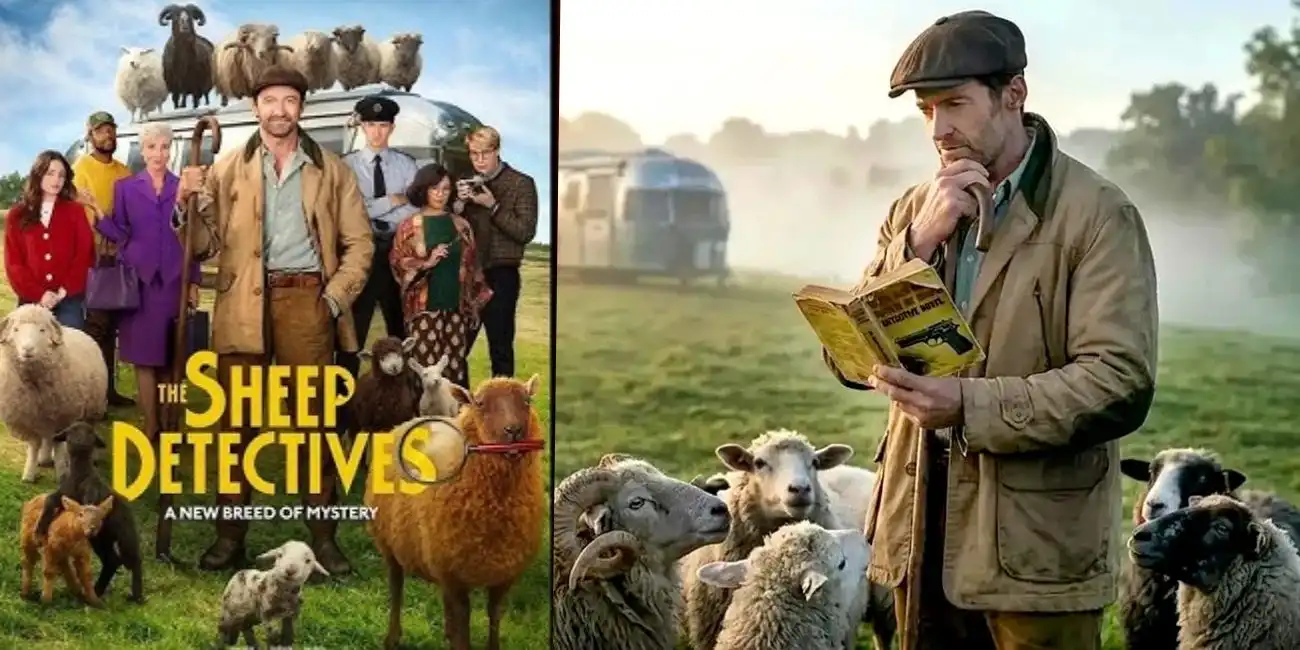
HOLLYWOOD — Amazon MGM Studios is betting the farm, quite literally, on a flock of woolly sleuths. The studio just dropped The Sheep Detectives into theaters with a massive $75 million production budget, a figure that has the town talking about more than just the peculiar premise of a murdered shepherd.
This isn’t just a quirky animal flick; it is a high-stakes play for the cozy crime demographic that has made Only Murders in the Building a juggernaut. By securing a prime Mother’s Day weekend slot, Amazon is attempting to leverage a specific theatrical window to drive long-term value for its SVOD ecosystem.
The financial pivot here is fascinating. Originally titled Three Bags Full: A Sheep Detective Movie, the project spent years in development hell before Amazon MGM snatched it up.
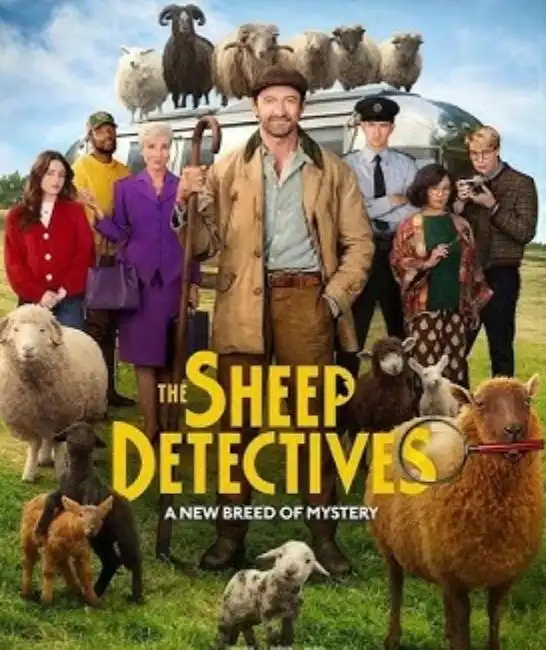
Now, with a script by Craig Mazin and a cast led by Hugh Jackman and Emma Thompson, the budget has ballooned to levels usually reserved for mid-tier action franchises. Amazon is looking for more than just ticket sales; they are hunting for a global franchise that can satisfy both family audiences and the growing hunger for murder mysteries.
The Reality of the Seventy-Five Million Dollar Gamble
Is a movie about talking sheep solving a homicide a stroke of genius or a fiscal fatality in the making?
While the buzz on Reddit suggests a tough climb to profitability, the logic behind the spend is pure audience psychology.
The industry is currently obsessed with the Dopamine Gap—the space between what an audience expects from a genre and the reality of the execution.
When you subvert a simple “talking animal” trope with a smart, Mazin-penned whodunit, you create a psychological hook that compels viewers to watch simply to see how the two worlds collide.
However, the tracking numbers are currently muted. Early estimates project a $10 million to $15 million opening weekend in North America.
For a film costing $75 million before you even touch the P&A (prints and advertising) spend, those numbers look terrifying. But Amazon doesn’t play the same game as traditional studios. For them, a theatrical run is often a glorified marketing campaign to ensure the film reaches a peak emotional cycle once it hits the Prime Video homepage.
Breaking Down the Above-the-Line Paydays
When you look at where the money went, you have to start with the talent.
Hugh Jackman, coming off a string of diverse projects, reportedly commanded a salary in the $15 million to $20 million range. This is standard A-list math for a major studio production, but sources suggest his deal includes significant backend points tied to the film’s performance on streaming.
Emma Thompson likely secured a mid-seven-figure package, while the rest of the live-action ensemble—including Nicholas Braun and Nicholas Galitzine—added another $10 million to the talent ledger.
Then there is the voice cast. You don’t get Bryan Cranston, Patrick Stewart, and Julia Louis-Dreyfus to play sheep for scale.
This “star-studded flock” represents a significant portion of the IP acquisition strategy. By populating the film with recognizable voices, Amazon is betting on neural coupling—a process where the audience’s brain syncs with the narrative because they feel a pre-existing connection to the performers. It is a clever, albeit expensive, way to build instant brand trust.
The VFX and The “MetaHuman” Standard
A large chunk of that $75 million wasn’t just for the actors; it was for the wool. While the film used some “lifelike stand-ins” on set to help Jackman connect with his co-stars, the post-production work is where the budget really bled.
The production leveraged advanced animation techniques to ensure the sheep didn’t just talk, but performed with human-like emotional depth. This is the new baseline for 2026—a world where realistic AI influencers and high-fidelity CGI have raised the bar for what audiences accept as “real”.
The studio reportedly used a proprietary workflow similar to the MetaHuman standards found in high-end game engines to animate expressions.
This level of detail is designed to release oxytocin in the viewers’ brains, creating a bonding hormone effect that keeps people engaged with non-human characters. If the sheep feel like characters rather than cartoons, the audience is far more likely to forgive a $75 million price tag for a whodunit.
The BingeTake Verdict
Look, on paper, a $75 million sheep detective movie with a $12 million opening looks like a disaster. But in the context of the current Streaming Wars, it is a different story.
Amazon MGM is building an infrastructure-oriented content system. They aren’t just selling a movie; they are selling a world.
If The Sheep Detectives becomes a “comfort watch” for families, the long-tail revenue from SVOD and potential syndication rights will eventually justify the initial burn.
Craig Mazin is a master of context, visual cues, and framing (the CVF method). He has taken a “silly” premise and framed it as a poignant, smart fable.
This is exactly the kind of high-concept, high-quality content that survives in an oversaturated market where generic AI-generated content is becoming the norm.
Is it a good deal for Amazon?
Only if they can maintain the emotional fluctuations required to keep the audience coming back for a sequel. For Hugh Jackman, it is another win—a high-paying, heart-filled project that keeps his quote at the top of the pile.
Ganesh Mishra, Business Analyst
Given the high production cost, do you think Amazon MGM should have skipped theaters and gone straight to streaming, or is the “theatrical prestige” worth the risk of a soft box office debut?
Join BingeTake
Get Box Office Updates directly on WhatsApp from your personal Box Office Insider.
Related Posts




You May Have Missed
About the Author

Ganesh Mishra
Business Analyst
Hi, I'm Ganesh. I’ve spent the better part of my career obsessed with how the entertainment industry actually works behind the scenes, looking at the contracts, the streaming wars, and the massive deals that decide what you’ll be watching next Friday. I love breaking down complex business moves into simple stories, and I’m here to make sure you’re always the most informed person in the room when it comes to the business of entertainment.