Why Disney Is Not Panicking Over The Mandalorian Box Office
Disney slashed the budget for The Mandalorian and Grogu. We break down the real ROI, tax credits, and exactly how much it needs to earn to avoid flopping.

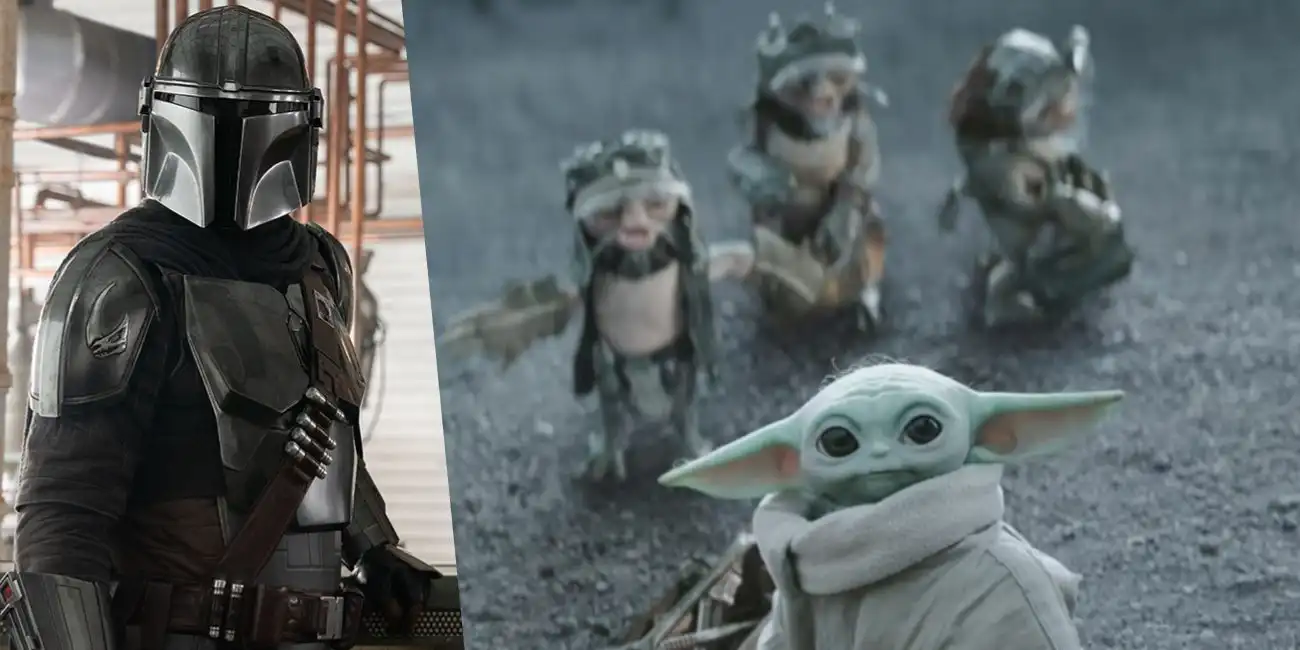
LOS ANGELES — The seven-year theatrical drought for the Star Wars franchise ends this Memorial Day weekend. But the real story is not the return of lightsabers to the multiplex.
It is the math behind The Mandalorian and Grogu. Disney is sending its flagship Disney+ IP to the big screen with a strictly managed $165 million production budget. This move fundamentally resets the financial expectations for a Lucasfilm theatrical release.
Stress-Testing the SVOD to Theatrical Pipeline
This release is a massive reverse-windowing experiment. For years, the industry narrative focused on funneling theatrical hits onto streaming platforms to reduce churn.
Now, Disney is taking characters built entirely on SVOD economics and pushing them back into the premium theatrical window. If this transition works, it proves that home-viewing engagement can successfully translate into highly lucrative first-dollar gross at the box office.
If it fails, the entire pipeline of upgrading streaming IP to the big screen will likely get shut down across the industry.
Everyone in Hollywood is currently fixated on the projected $80 million to $100 million four-day opening weekend.
Executives and rival studios are whispering that this feels dangerously low compared to legacy Skywalker saga debuts. But they are completely missing the big picture. Disney did not spend sequel-trilogy money here. They actually built a sustainable ROI model.
A $100 million opening for this film would indeed be the lowest for the franchise since Solo: A Star Wars Story in 2018, yet the financial reality of this release is entirely different.
The studio is no longer swinging blindly for a billion-dollar smash. They are engineering a controlled profit margin.

Mandalorian and Grogu $415 Million Break-Even Floor
Let us break down the exact numbers on the ledger. The California Film Commission records reveal a $166.4 million production cost, which was then softened by a massive $21.75 million state tax rebate.
That brings Disney’s actual financial exposure down to roughly $144 million. If we apply the standard industry multiplier to account for global marketing and theater splits, The Mandalorian and Grogu need to gross approximately $415 million worldwide to hit their break-even point.
Compare that threshold to previous franchise entries. Both Solo: A Star Wars Story and Star Wars: Episode 9 carried staggering $275 million budgets.
Solo was carrying so much financial bloat that it needed an impossible $750 million just to break even. It stalled out at $392 million and was immediately written off as a historic financial disaster.
By contrast, Lucasfilm kept costs ruthlessly efficient this time around.
The production leveraged existing digital assets from the television series and heavily utilized ILM StageCraft technology. Relying on these 360-degree LED video screens allowed the studio to avoid massive post-production digital effects overages and bypass expensive on-location travel.
This lean approach is a jarring pivot from Disney’s recent SVOD expenditures.
For context, the critically acclaimed series Andor cost a staggering $650 million across its 24 episodes. Spending just $165 million on a summer theatrical tentpole in 2026 is an absolute bargain.
Redefining the Franchise Bottom Line
The lowered financial risk gives the studio breathing room. Fans are aging, and the brand is not resonating with younger audiences quite like it used to. By aggressively slashing the budget, Disney does not need this movie to dominate the global cultural conversation.
They just need it to perform like a solid summer action vehicle. The ancillary benefits are also massive. A theatrical run acts as a multi-million dollar marketing campaign for the eventual Disney+ drop.
It revitalizes consumer product sales and keeps the IP relevant without the crippling risk of a massive theatrical write-down.
The BingeTake Verdict
This is a brilliant financial hedge by Disney.
Lowering the break-even floor to $415 million for a top-tier global IP is exactly how you survive the current theatrical landscape. Even if the film only grosses $500 million worldwide, the studio walks away with a profitable theatrical run.
They also secure highly valuable syndication and SVOD rights downstream.
The era of blindly greenlighting $300 million budgets for a single movie is over. This lean, calculated strategy is what the industry desperately needs to weather the ongoing streaming wars.
What do you think of this reverse-windowing strategy? Will streaming subscribers actually buy a theatrical ticket for characters they are used to watching at home for free?
Join BingeTake
Get Box Office Updates directly on WhatsApp from your personal Box Office Insider.
Related Posts





You May Have Missed

About the Author

Ganesh Mishra
Business Analyst
Hi, I'm Ganesh. I’ve spent the better part of my career obsessed with how the entertainment industry actually works behind the scenes, looking at the contracts, the streaming wars, and the massive deals that decide what you’ll be watching next Friday. I love breaking down complex business moves into simple stories, and I’m here to make sure you’re always the most informed person in the room when it comes to the business of entertainment.