
The $22M Masterstroke: How Lee Cronin and Blumhouse Reimagined The Mummy For 2026
HOLLYWOOD — While the rest of the industry spent the last decade chasing nine-figure production budgets and CGI-heavy spectacles, Lee Cronin just proved that the secret to reviving a dead franchise isn’t more money—it is more terror.
As of April 20, 2026, Lee Cronin’s The Mummy has officially unwrapped a global opening weekend of $34 million.
Now, for any other legacy IP, those numbers might look like a disaster. But when you look at the balance sheet, you realize this is one of the smartest business plays we have seen since the original Paranormal Activity.
The core financial story here is a lesson in fiscal restraint. Warner Bros. and New Line Cinema, in partnership with the horror titans at Blumhouse and Atomic Monster, brought this reimagining to life for a lean $22 million.
Compare that to the 2017 Tom Cruise starrer, which carried a bloated $125 million price tag before marketing. By pivoting from a globe-trotting action adventure to an R-rated supernatural horror film, the studio has effectively de-risked the The Mummy brand, turning it from a high-stakes gamble into a high-margin asset.
This is not just a movie; it is a blueprint for how studios can keep their IP relevant in a post-peak-streaming world where theatrical ROI is king.
The Death of the Megabudget Monster
For years, Hollywood was convinced that a Mummy movie needed to be a Mission: Impossible clone. We saw sandstorms with faces, high-speed chases, and enough visual effects to bankrupt a small nation. But the market mood has shifted.
Audiences are no longer impressed by $200 million price tags; they are impressed by tension. Lee Cronin, coming off the massive success of Evil Dead Rise, was the perfect choice to execute this pivot.
Why spend $100 million on CGI when you can spend $22 million on a claustrophobic, character-driven nightmare?
The reality is that the $22 million budget allowed for a creative freedom that the 2017 version never had.
It allows the film to be gory, uncompromising, and specifically targeted at the horror demographic rather than trying to please everyone from ages eight to eighty. This modest budget is the reason why a $34 million opening is cause for a victory lap at the Warner Bros. lot rather than an emergency meeting.
Breaking Down the $22 Million Math
According to reports from Deadline and Variety, the production budget was kept under strict control through the famous Blumhouse model.
This strategy relies on keeping the upfront costs low—often paying talent a fraction of their usual fee in exchange for significant backend points. It is a high-upside gamble for the creatives involved. If the movie hits, everyone gets rich. If it flops, the studio is only out the cost of a mid-sized television pilot.
Jack Reynor, who leads the cast alongside Laia Costa and May Calamawy, represents the perfect Blumhouse lead. He is a critically acclaimed actor with enough name recognition to anchor a project, but he does not command the $20 million upfront salary of a traditional A-list action star.
This alone saved the production nearly half of what a traditional blockbuster would have cost in lead actor fees.
The production also leaned heavily on practical effects and localized filming. While the story is set in the shifting sands of Egypt, much of the heavy lifting was done through savvy location scouting and soundstage work that maximized every dollar.
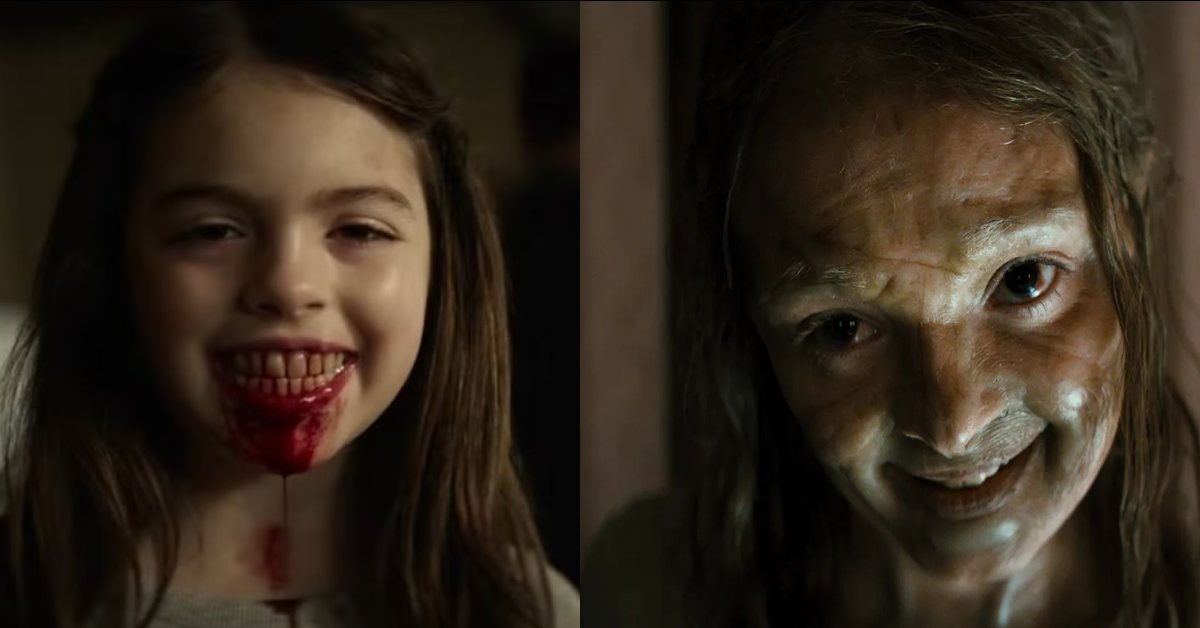
Rather than building entire digital cities, Cronin focused the budget on the Mummified daughter creature design—a terrifying, practical creation that has already become the centerpiece of the film’s marketing campaign. By concentrating the spending on what actually appears on screen to frighten the audience, the production avoided the waste that often plagues larger studio films.
The Strategic Value of the Theatrical Window
The business logic extends far beyond the opening weekend. By keeping the budget at $22 million, Lee Cronin’s The Mummy has a remarkably short path to profitability.
Most industry analysts estimate that the film needs to clear roughly $55 million to $60 million worldwide to break even, accounting for marketing spend and the theatrical split. With a $34 million start, it is likely to hit that mark by the end of its second weekend.
Once the film enters its SVOD (Subscription Video on Demand) window, the ROI will skyrocket. Warner Bros. can feed this R-rated hit directly into their Max platform, where horror has historically performed as a top-tier engagement driver.
This is the new theatrical windowing reality: theatrical pays the bills and builds the brand, while the streaming and syndication rights provide the pure profit.
BingeTake Verdict
This is a masterclass in IP management.
Lee Cronin has successfully stripped away the baggage of previous iterations and delivered a film that feels modern, visceral, and, most importantly, profitable. By sticking to a $22 million budget, New Line and Blumhouse have ensured that even a modest box office run results in a win.
This deal is a home run for Jack Reynor, who now has a profitable franchise anchor on his resume, and it is an even bigger win for Warner Bros. as they look for ways to revitalize their library without betting the farm every time.
Expect a sequel announcement within the month. With these margins, the studio would be crazy not to turn the Cronin-verse into a recurring April fixture. The Mummy is finally back, and for the first time in decades, the math actually makes sense.
Do you think the R-rated horror approach is the only way to save legacy monster franchises, or should studios still be swinging for the fences with $150 million PG-13 spectacles?
Join BingeTake
Get Box Office Updates directly on WhatsApp from your personal Box Office Insider.
Related Posts





You May Have Missed

About the Author

Ganesh Mishra
Business Analyst
Hi, I'm Ganesh. I’ve spent the better part of my career obsessed with how the entertainment industry actually works behind the scenes, looking at the contracts, the streaming wars, and the massive deals that decide what you’ll be watching next Friday. I love breaking down complex business moves into simple stories, and I’m here to make sure you’re always the most informed person in the room when it comes to the business of entertainment.