
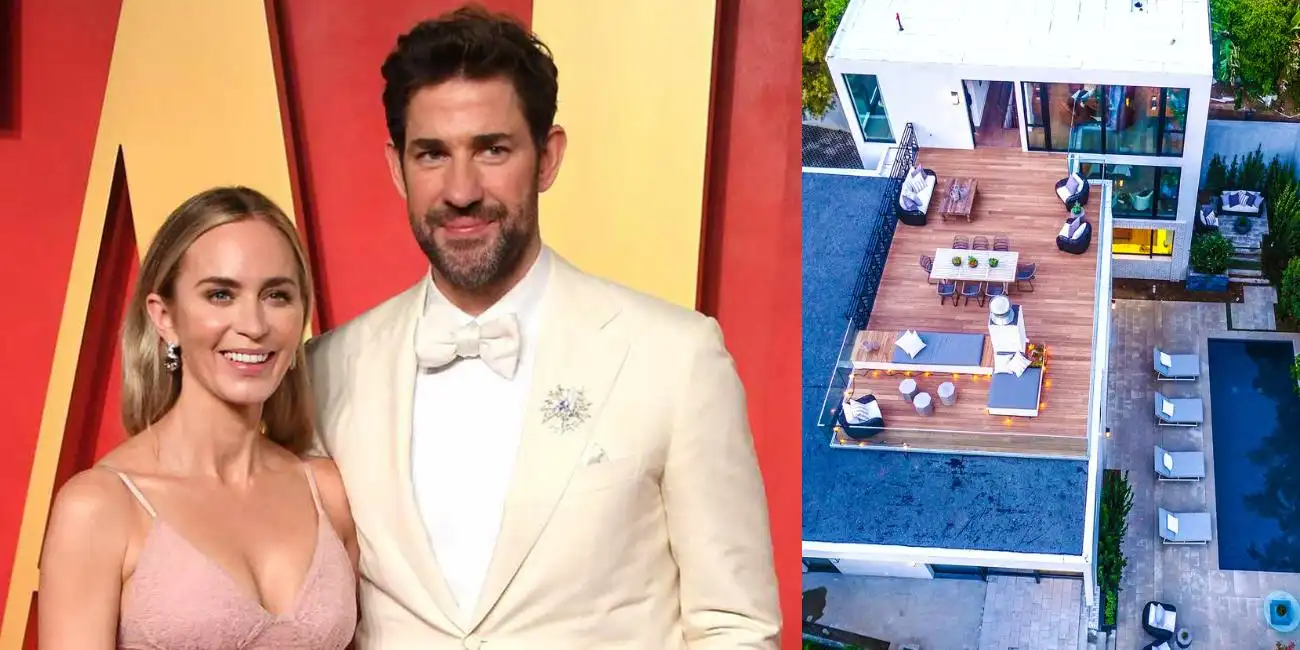
LOS ANGELES — Emily Blunt operates her career less like a traditional Hollywood actor and more like a diversified holding company. Her estimated $80 million individual net worth stems from a highly calculated strategy of balancing variable film salaries with aggressive real estate flips. She isn’t just cashing studio checks. She is actively managing capital.
Most conversations about actor wealth stop at the reported upfront fee. That paints a deeply inaccurate picture of how modern entertainment money actually flows.
An actor’s gross income takes heavy hits from taxes and agent commissions before it ever reaches a bank account. You hear about a $10 million payday, but the take-home is closer to half of that. Building actual, sustainable wealth requires moving those post-tax earnings into appreciating assets.
Blunt and her husband, John Krasinski, have quietly mastered this secondary game. They built a combined $160 million empire by treating high-end properties as their private investment portfolio.
The public assumes big stars just sign massive contracts and buy sprawling mansions to live in forever.
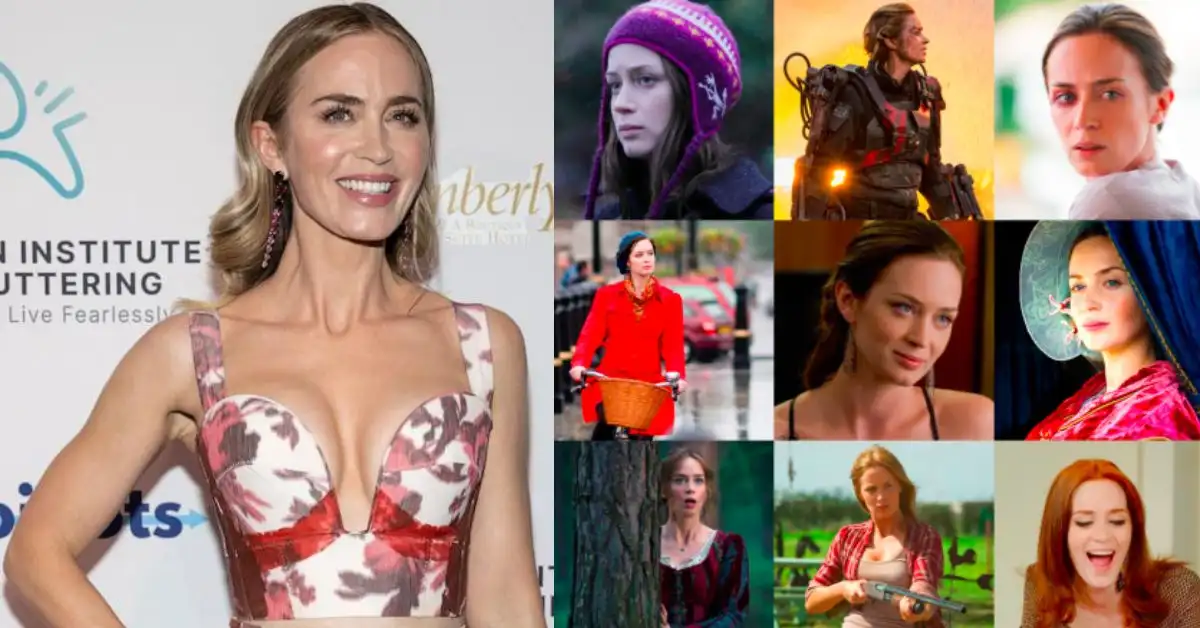
The reality is much more tactical. Blunt trades on the cultural prestige of lower-paying director-driven films to command premium paydays from major studios. She then parks that cash in historic properties to flip for a profit. It is a highly repeatable business model.
Structuring the $160 Million Household
Structuring the $160 Million Household
Financial trackers place Blunt’s personal net worth at $80 million in 2026. Combined with Krasinski, the household controls roughly $160 million in assets. That kind of liquidity doesn’t happen by accident.
Blunt’s trajectory from early stage work to a bankable leading star involved deliberate, measured choices.
She overcame a childhood stutter to dominate the screen, and she applies that exact same methodical discipline to her business footprint. Her portfolio rests on specific, well-managed pillars. She balances prestige films with commercial blockbusters. She signs long-term beauty contracts. She flips coastal real estate.
No single income stream carries the entire weight of her net worth.
The Math Behind the Prestige Pay Cut
The Math Behind the Prestige Pay Cut
Blunt adjusts her compensation structure based entirely on the director and the studio budget. She treats different projects like different asset classes.
The Christopher Nolan discount is a real phenomenon in Hollywood.
She took a reported $4 million upfront to star in Oppenheimer. That is a fraction of her usual quote. Working with a prestigious director generates the exact kind of cultural capital needed to maintain her A-list status. You take the pay cut for the Oscar campaign. The critical acclaim from that performance then justifies the eight-figure demand on the next commercial project.
The franchise checks tell a completely different story.
Disney cut an $8 million to $10 million check for her role in Jungle Cruise. That is pure commercial capitalization. The studio needed a proven star to anchor a massive theme-park IP alongside Dwayne Johnson. Blunt understood the studio’s desperation for a co-lead and priced her services accordingly.
She applied the exact same strategy to The Devil Wears Prada 2. The original film is a cultural touchstone. Returning to that universe carries major box office expectations. With the sequel crossing $300 million globally in 2026, her compensation structure and backend bonuses for returning to the franchise represent a massive financial win.
Box office performance directly dictates backend payouts. By waiting for the right moment to revisit the IP, she maximized her earning potential. You don’t get the Prada 2 payday without the Oppenheimer prestige. They feed each other perfectly.
Flipping Houses Like a Private Equity Firm
Flipping Houses Like a Private Equity Firm
Blunt and Krasinski actively renovate and sell high-end properties. They don’t just hold real estate. They force appreciation through smart renovations and strategic timing.
Their Los Angeles liquidations set the template for their real estate side hustle. They unloaded a 4,800-square-foot Hollywood Hills home to Kendall Jenner for $6.5 million in 2016. That sale caught the attention of celebrity real estate watchers, but it was just the start.
The Hollywood Hills property was a prime asset, but they knew exactly when to exit the market. They followed that up by offloading an eco-friendly 5-acre retreat in Ojai. They bought that secluded property for $2.15 million and sold it for $2.4 million. Neither deal was a mega-flip. They were calculated moves to keep their capital liquid and moving.
The East Coast plays are even sharper. They purchased a historic 1909 limestone townhouse in Brooklyn’s Park Slope neighborhood for $6 million in 2015.
They dropped a quick $300,000 into strategic renovations to modernize the interior while preserving the historic shell. Three years later, they sold the property for $6.5 million. It was a clean, efficient exit that freed up capital for their next major acquisition.
Consolidating Assets at The Standish
Consolidating Assets at The Standish
The couple eventually parked their real estate profits in a permanent East Coast base. They dropped $11 million to secure two adjacent units on the eighth floor of The Standish in Brooklyn Heights.
Moving away from the quick-flip model, they treated this purchase as a long-term lifestyle consolidation.
The Beaux-Arts building provides intense security and privacy for its family. It also offers unobstructed New York Harbor views. By combining the units, they created a massive custom footprint in one of the most expensive zip codes in the country. The $11 million price tag reflects a deliberate choice to anchor their wealth in prime New York real estate.
They traded the sprawling acreage of Los Angeles for vertical luxury in Brooklyn.
The YSL Black Opium Baseline
The YSL Black Opium Baseline
Film shoots are grueling and unpredictable. Luxury brand endorsements provide steady, high-margin income between productions.
Blunt anchors her brand portfolio as the face of Yves Saint Laurent’s Black Opium fragrance.
This long-running ambassadorship is a low-time-commitment contract with a massive payout. She shoots the seasonal campaigns, does the required press, and collects a reliable check. It creates a financial floor. That baseline income allows her to be incredibly picky about her film roles. She doesn’t have to take a bad script just to keep the lights on.
Pricing the Upcoming A24 Play
Pricing the Upcoming A24 Play
Blunt is currently starring alongside Dwayne Johnson in the A24 sports drama The Smashing Machine. Deadline originally tracked the casting for this project, highlighting a severe tonal shift for both actors.
This project bridges her established financial history with her immediate future. An Oscar campaign film from A24 usually means another upfront pay cut in exchange for critical acclaim. If the movie hits big during awards season, her baseline asking price for commercial projects heading into 2027 goes up again. It is the exact same playbook she ran with Oppenheimer.
Join BingeTake
Get Box Office Updates directly on WhatsApp from your personal Box Office Insider.
Related Posts





You May Have Missed

About the Author

Ganesh Mishra
Business Analyst
Hi, I'm Ganesh. I’ve spent the better part of my career obsessed with how the entertainment industry actually works behind the scenes, looking at the contracts, the streaming wars, and the massive deals that decide what you’ll be watching next Friday. I love breaking down complex business moves into simple stories, and I’m here to make sure you’re always the most informed person in the room when it comes to the business of entertainment.