
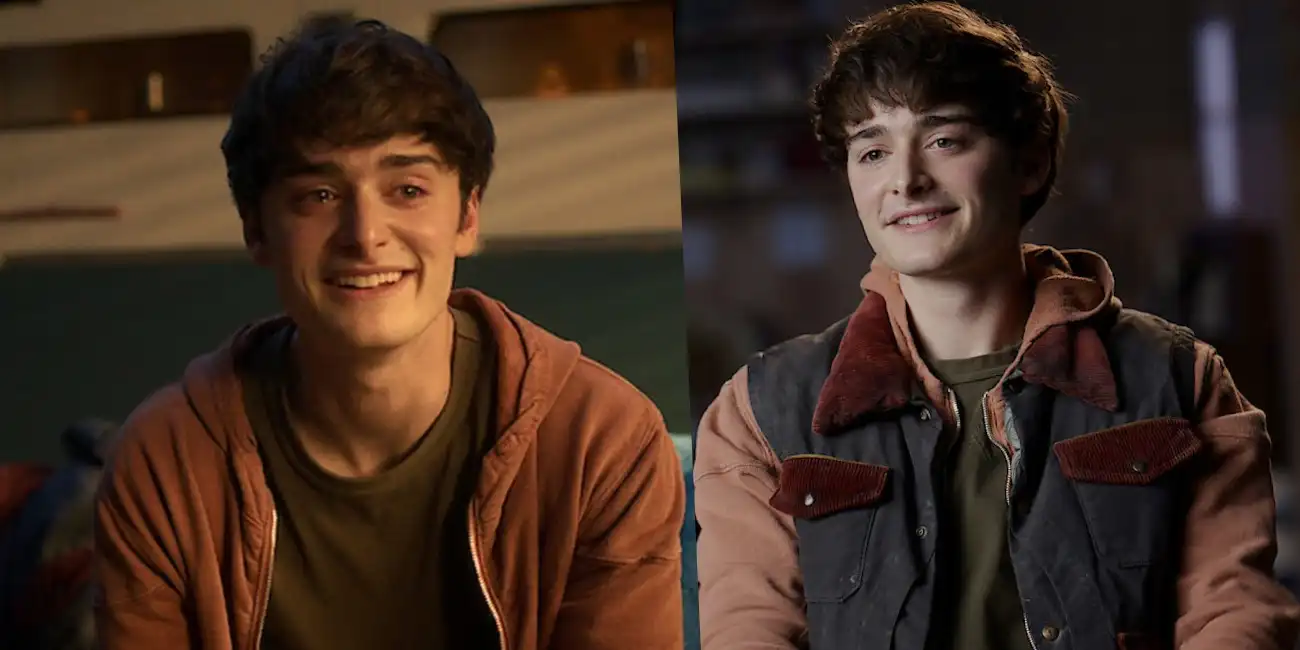
Noah Schnapp Box Office Report Card (1980–2026): Every Movie Analyzed
HOLLYWOOD — 411 million dollars. That is the combined worldwide box office weight currently sitting on the theatrical shoulders of Noah Schnapp as of May 2026.
For a Gen Z actor who spent the better part of a decade defined by a single television phenomenon, that number might look like a mountain. But look closer.
Most of that cash comes from voice work and a supporting turn for the biggest director in history. The real trade story here isn’t just about the millions earned; it is about the struggle to translate 30 million social media followers into actual, physical ticket sales in an era where “clout” rarely pays the bills at the multiplex.
The Charlie Brown Gamble and the Spielberg Co-Sign
The trade doesn’t care about “likes.” It cares about the international rollout. Schnapp’s theatrical report card effectively begins in 2015, a year that should have minted him as a permanent big-screen fixture.
First, he provided the voice for Charlie Brown in The Peanuts Movie. That film opened with a steady hold and eventually pulled in 246.2 million dollars worldwide against a 99 million dollar budget.
Studio estimates suggest the film heavily over-indexed with family demographics, but as a voice actor, Schnapp didn’t get the “face-time” credit usually required to build an opening-weekend draw.
Then came the Spielberg factor. In Bridge of Spies, Schnapp played the son of Tom Hanks’ character.
The film was a model of consistency, earning 165.5 million dollars globally on a 40 million dollar budget. It didn’t break all-time records, but it proved Schnapp could fit into a prestige, high-stakes adult drama without blinking.
For a ten-year-old, that is an elite start. But here is the logic: those two films account for nearly 99 percent of his lifetime theatrical gross. Since then, the big screen has been a much tougher room to play.
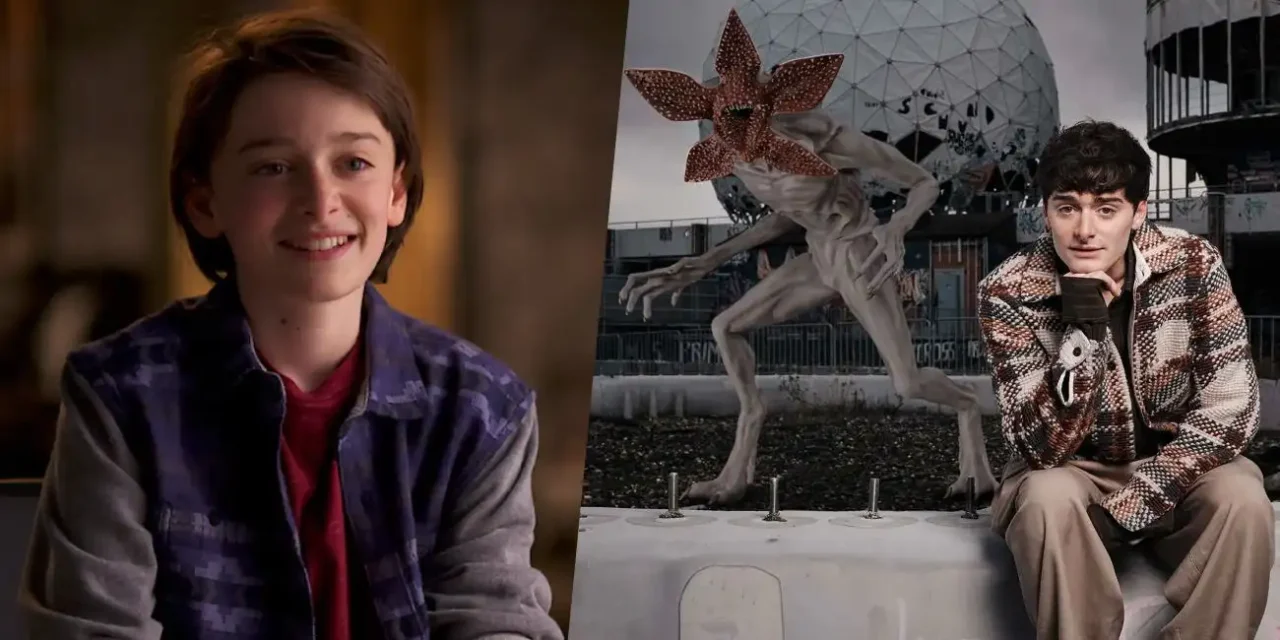
The Indie Wall and the Streaming Translation Problem
If you look at the middle of his career report card, you see a series of small-scale dramas that struggled to find any theatrical oxygen.
Movies like Abe (2020) and Waiting for Anya (2020) were essentially invisible at the domestic box office, with both titles grossing under 250,000 dollars each in limited releases.
While Schnapp was becoming one of the most recognizable faces on the planet through his streaming work, that audience simply did not migrate to the cinema for his independent fare.
This is a classic pattern in the modern content industry.
Fans are willing to watch you for “free” on a subscription service, but asking them to spend 15 dollars and drive to a theater is a different emotional cycle entirely. Audience mood for Schnapp has been high in the digital space, but word-of-mouth for his theatrical leads has been largely nonexistent.
The Tutor (2023) was another attempt to break the mold, but it largely bypassed a traditional theatrical run, landing on digital platforms where its “success” is hidden behind opaque studio algorithms rather than hard trade data.
Demographic Migration and the Final Verdict
The reality of the situation is that Schnapp is fighting the “TV Actor” stigma in a market that is increasingly hostile to anything that isn’t a massive franchise.
When we analyze the demographics, his core fan base consists of Gen Z viewers who consume content in short, vertical bursts. This group has a high curiosity gap, but they often lack the “personal stakes” required to support a traditional theatrical run.
They will watch a trailer on their phone, but will they support a mid-budget thriller? The evidence says no.
Studio estimates for his upcoming 2026 projects are currently not available, but the town is watching his next move with intense scrutiny.
After the final curtain call on his television work, Schnapp has to find a “reverse engineering” path back to the multiplex. He needs a project that beats audience expectations of what a “teen star” can do.
Without a high-concept hook or a major franchise attachment, he risks becoming a digital-only asset.
BingeTake Verdict: The Star Power Recalibration
Look, Noah Schnapp is a talented guy who got his start with Spielberg.
You can’t teach that. But as of 2026, his theatrical “draw” is an unproven commodity. His lifetime domestic collection is heavily skewed by 2015 holdovers, and his indie streak has been a series of commercial non-starters. The good news? He has the visibility. The bad news? Visibility isn’t a per-theater average.
For Schnapp to survive the 2027-2030 cycle, he needs to stop chasing “prestige indies” and land a high-energy supporting role in a proven franchise—something where he can prove his bankability without the pressure of carrying the entire opening weekend.
If he doesn’t find a theatrical hit soon, his lifetime domestic collection will plateau, and he will be relegated to the world of direct-to-streaming “content” rather than “cinema.”
It is time to stop playing it safe and start taking the Tony Stark approach: be unconventional, be loud, and give people a reason to care.
Nitesh Mishra, Box Office Analyst
With the “teen idol” era behind him, do you think Noah Schnapp should pivot toward becoming a character actor in horror franchises, or should he double down on voice acting, where his trade numbers are historically at their highest?
Join BingeTake
Get Box Office Updates directly on WhatsApp from your personal Box Office Insider.
Related Posts





You May Have Missed
About the Author

Nitesh Mishra
Box Office Analyst
As a Movie buff with years of experience in film blogging, writing and box office analysis, I specialise in delivering accurate box office insights and movie updates. [X, Instagram, Reddit, Threds]