
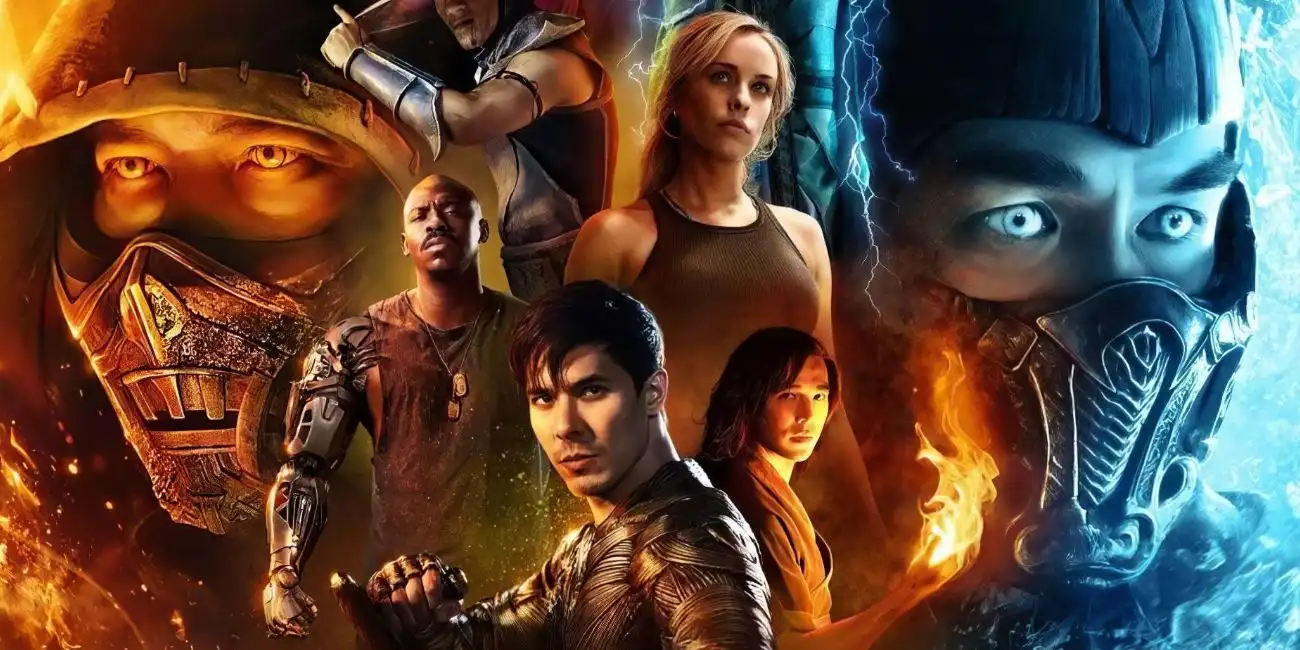
HOLLYWOOD — The tournament is officially moving back to the multiplex, and the price of entry just hit a whole new level. Mortal Kombat II kicked off its theatrical run yesterday evening with a punchy $5.2 million in Thursday previews.
While New Line Cinema and Warner Bros. were originally signaling a leaner $68 million production cost, the final verified number is a much meatier $80 million. This isn’t just about more blood and better fatalities; it is a calculated bet on a franchise that survived a day-and-date SVOD release during the pandemic and came out swinging.
The financial stakes for this sequel represent a massive shift in how studios view R-rated gaming IP acquisition.
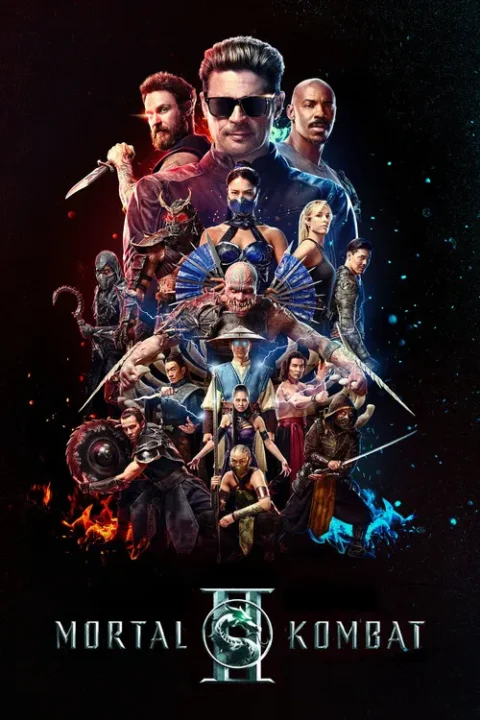
After the 2021 reboot served as a vital lighthouse for the then-fledgling HBO Max, the Burbank suits realized they had a “Star Wars of fighting games” on their hands. But as any seasoned dealmaker will tell you, a bigger shovel for those VFX-heavy Outworld scenes costs a lot more money.
The jump from a $55 million budget for the first film to $80 million for the sequel is a clear signal: Warner Bros. is looking for more than a cult hit; they are hunting for a global franchise that can compete with mid-budget action juggernauts.
The Financial Reality of the Outworld Expansion
Is an $80 million price tag for a martial arts sequel a stroke of genius or a fiscal fatality in the making?
The industry logic here is aggressive but grounded. The first film was a massive hit on streaming, but streaming views don’t pay the bills like a $300 million global box office haul. To get those theatrical numbers, you need a level of spectacle that $55 million simply cannot buy.
We have to look at the “Dopamine Gap”—the space between what an audience expects from a genre and the reality of the execution. When you subvert a simple fighting movie with high-fantasy elements like Edenia and Shao Kahn’s rule, you create a psychological hook that compels viewers to watch.
However, with a $200 million breakeven point looming, the tournament is far from won.
Does a bigger budget automatically mean a better movie? Not always. The current market mood is one of cautious optimism.
While some analysts believe the $50 million domestic opening projections are safe, the “Streaming Wars” have pivoted toward quality and efficiency over sheer volume. The question is whether the ROI will justify the leap, especially with The Devil Wears Prada 2 hogging the screens in its second weekend.
Breaking Down the Above-the-Line Paydays
When you look at where the money went in that $80 million ledger, you have to start with the “Johnny Cage” factor. Karl Urban wasn’t just a casting choice; he was an IP acquisition strategy. According to Variety, the official $80 million budget reflects a significant increase in talent costs to anchor the film with recognizable faces.
Urban, coming off the global success of The Boys, likely commanded a salary in the $5 million to $7 million range. This is standard A-list math for a major studio production where the actor’s persona is the primary marketing hook. His deal probably includes significant backend points tied to the film’s performance, particularly if it crosses the $200 million mark worldwide.
Then there is the leverage of the returning cast. Josh Lawson, who was a “highlight” of the first film as Kano, reportedly saw a significant bump in return.
In Hollywood, if you are the fan favorite who survived a “mediocre” first entry, your quote for the sequel goes through the roof. Hiroyuki Sanada, playing Scorpion, also brings an element of “institutional prestige” that stabilizes the film’s international appeal.
The Cole Young Leverage and VFX Drain
Perhaps the most interesting financial nugget is the rumored “major character death” spotlighted in leaked clips. If the rumors of Lewis Tan’s Cole Young having a “significantly reduced role” are true, it suggests a strategic pivot in the narrative budget.
Studios often cut back on established lead salaries in sequels if they are moving toward an ensemble-driven “infrastructure” model.
However, the real “silent killer” of this $80 million budget wasn’t the actors; it was the “wool”—or in this case, the VFX. The production reportedly leveraged advanced animation and motion tracking to ensure the Outworld environments didn’t look like a 90’s soundstage.
This level of detail is designed to release “oxytocin” in the viewers’ brains, creating a bonding effect that keeps them engaged with digital-heavy characters like Shao Kahn.
BingeTake Verdict
This is a high-stakes move for New Line and Warner Bros. By spending $80 million on Mortal Kombat II, they are betting that the “neural coupling” of the fanbase is strong enough to drive a $200 million global run.
If the film captures even a fraction of the Mortal Kombat 1 video game sales energy, the theatrical window will be a massive win.
Is it a good deal? Yes. The brand recognition is at an all-time high, and the move to include Johnny Cage is a masterclass in IP acquisition.
For Urban, it’s another high-paying win that keeps his quote at the top of the pile. For the studio, it’s an infrastructure move to bolster their 2026 outlook as they look to turn mid-budget hits into long-tail franchises.
Ganesh Mishra, Business Analyst
Given the $200 million breakeven point, do you think the studio made the right call killing off a major character to save on salary and lean into the ensemble, or will it backfire with fans?
Join BingeTake
Get Box Office Updates directly on WhatsApp from your personal Box Office Insider.
Related Posts


You May Have Missed
About the Author

Ganesh Mishra
Business Analyst
Hi, I'm Ganesh. I’ve spent the better part of my career obsessed with how the entertainment industry actually works behind the scenes, looking at the contracts, the streaming wars, and the massive deals that decide what you’ll be watching next Friday. I love breaking down complex business moves into simple stories, and I’m here to make sure you’re always the most informed person in the room when it comes to the business of entertainment.